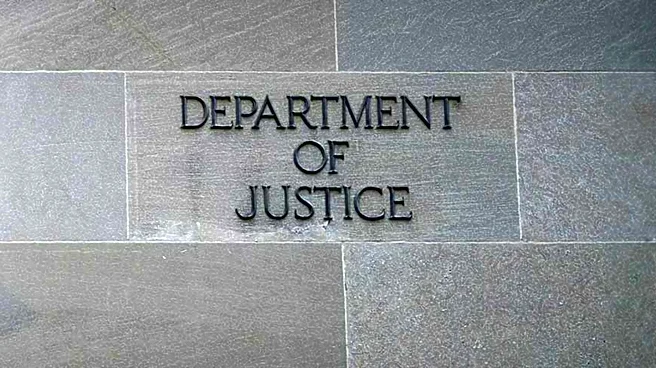








The United States Department of Justice (DOJ) has been instrumental in enforcing civil rights throughout its history. This article delves into the DOJ's role in civil rights enforcement, with a focus on its efforts during the Reconstruction era to combat domestic terrorism and uphold constitutional amendments.
Combating Domestic Terrorism
Following the Civil War, the United States faced significant challenges in enforcing civil rights, particularly in the Southern states. The
rise of domestic terrorist groups like the Ku Klux Klan posed a serious threat to the newly established rights of African Americans. The DOJ, established in 1870, quickly became a key player in addressing these challenges.
Under the leadership of Attorney General Amos T. Akerman, the DOJ took decisive action against the Klan. In the early 1870s, the department prosecuted numerous Klan members, resulting in over 1,000 indictments and more than 550 convictions. These efforts were part of a broader strategy to enforce the 13th, 14th, and 15th Amendments to the Constitution, which aimed to secure civil rights for all citizens.
Legal Framework and Prosecutions
The DOJ's efforts to combat domestic terrorism were supported by a robust legal framework. The "Act to Establish the Department of Justice" granted the Attorney General the authority to supervise all United States attorneys and prosecute federal crimes. This legal foundation enabled the DOJ to pursue cases against Klan members and other groups that sought to undermine civil rights.
The department's prosecutions had a significant impact on reducing violence in the South. By 1871, the DOJ had secured 3,000 indictments and 600 convictions, with many ringleaders serving sentences in federal penitentiaries. These actions demonstrated the DOJ's commitment to upholding the rule of law and protecting the rights of all citizens.
Legacy and Continued Efforts
The DOJ's early efforts in civil rights enforcement set a precedent for future actions. The department's commitment to civil rights has continued to evolve, adapting to new challenges and expanding its scope. Over the years, the DOJ has played a crucial role in enforcing landmark civil rights legislation and addressing issues of discrimination and inequality.
Today, the Department of Justice remains a vital force in the fight for civil rights, overseeing various divisions and agencies dedicated to upholding justice and equality. Its history of civil rights enforcement reflects a long-standing commitment to protecting the rights of all individuals and ensuring that justice is served.