


From its inception in 1988 until 2006, Rally Australia carved out a significant niche in the world of motorsport, primarily based in and around Perth, Western Australia. This period was not just about hosting a race; it was about establishing a unique identity that garnered international recognition and praise. The rally's distinctive road surfaces, challenging stages, and the enthusiastic support it received from both fans and the World Rally Championship
(WRC) teams cemented its status as a premier event, earning it multiple "Rally of the Year" awards. The Western Australian era of Rally Australia is remembered for its specific challenges and the high regard in which it was held.
Iconic Stages and the "Ball Bearings" Surface
The landscape of Western Australia provided a dramatic and demanding backdrop for Rally Australia's stages. Early in its history, a super-special stage was held at Richmond Raceway near Fremantle, which later transitioned to the innovative Langley Park stage situated on the banks of the Swan River. These urban and semi-urban stages offered accessible viewing for spectators, bringing the excitement of rallying closer to the public. Beyond the city, the rally ventured into more rugged terrain, with world-famous stages located in areas such as the Bannister Forest. Here, the "Bunnings Jumps" became a legendary feature, drawing thousands of fans eager to witness the spectacular airborne maneuvers of the rally cars. Other significant stage locations included Muresk, Wellington, and Dwellingup, each contributing to the diverse challenges faced by competitors.
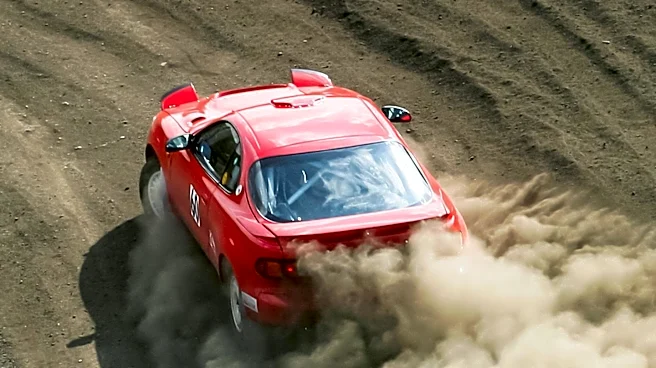
Perhaps the most defining characteristic of Rally Australia during its Western Australian tenure was its unique road surface. Competitors frequently described driving on these roads as being akin to navigating on "ball bearings." This sensation was due to the composition of the surface, which consisted of tiny, smooth, round stones. This particular type of gravel presented an exceptional challenge, demanding precise car control and a delicate touch from drivers and co-drivers alike. The "ball bearings" effect made the stages incredibly slippery and unpredictable, setting Rally Australia apart from other events on the WRC calendar and contributing to its reputation as a truly specialized rally.
International Acclaim and "Rally of the Year" Honors
The distinctive nature of Rally Australia, combined with its high standards of organization and the competitive spectacle it offered, led to significant international acclaim. The event quickly became a favorite among the WRC teams, who recognized its unique qualities and the demanding test it presented. This appreciation was formally acknowledged on multiple occasions, with Rally Australia being voted "Rally of the Year" by the WRC teams in three separate years: 1995, 1999, and 2000. These accolades were a testament to the rally's success in delivering a world-class event that was both challenging for competitors and thrilling for spectators.
Being recognized as "Rally of the Year" multiple times underscored the event's excellence in various aspects, including its stage design, safety measures, logistical execution, and overall atmosphere. The consistent praise from the very teams that participated highlighted Rally Australia's ability to meet and exceed the high expectations of the World Rally Championship. This period in Western Australia established a legacy of quality and uniqueness that would be remembered long after the rally eventually relocated, marking it as a golden age for the event.