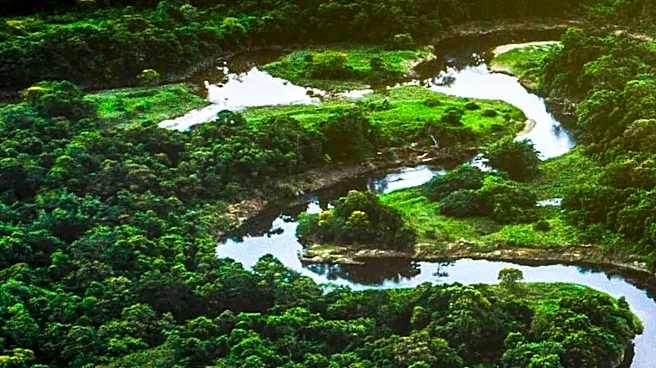







The 2019 Amazon rainforest wildfires brought global attention to the fragility of this vital ecosystem, but they represent just one facet of the numerous threats facing the Amazon. Deforestation, climate change, and the impact of human activities collectively endanger the rainforest's biodiversity and its crucial role in global climate regulation. Understanding these interconnected challenges is essential to grasping the full scope of the Amazon's
vulnerability.
Deforestation: The Primary Driver of Destruction
Deforestation stands as the most significant threat to the Amazon rainforest. Human-driven clearing of land for agriculture, livestock, mining, and lumber is a continuous process. The primary method for clearing land often involves slash-and-burn techniques, where trees are felled during the wet season and then burned in the dry season to prepare the land for other uses. This practice not only destroys vast areas of forest but also releases substantial amounts of carbon into the atmosphere.
Brazil, which contains 60% of the Amazon, has seen significant deforestation. The World Bank indicates that approximately 80% of deforested land is used for cattle ranching, driven by the growing global demand for beef. This economic pressure, coupled with often lax enforcement of environmental laws, perpetuates the cycle of forest destruction. The 2019 fires, while alarming, were largely a consequence of these ongoing deforestation practices, with 99% of fires in the Amazon basin attributed to human actions.
Climate Change and Exacerbated Fire Risks
Climate change acts as a critical amplifier of the threats to the Amazon. While naturally occurring wildfires are rare in the moist Amazon, warmer temperatures and prolonged dry seasons create conditions where human-started fires can spread more easily and intensely. Drier biomass becomes more available, turning what might have been contained burns into widespread conflagrations. This feedback loop means that as the climate changes, the Amazon becomes more susceptible to devastating fires.
Scientists express concern that the Amazon could reach an irreversible tipping point, transforming from a rainforest into a tropical savanna. Such a shift would have catastrophic global consequences, given the Amazon's role as the world's largest terrestrial carbon sink. The fires themselves contribute to this cycle by releasing stored carbon, further accelerating global warming and increasing the likelihood of future, more severe fire seasons.
Biodiversity Loss and Ecosystem Disruption
The destruction of the Amazon has profound implications for its unparalleled biodiversity. The fires of 2019, for instance, were expected to take a massive toll on wildlife, particularly species not adapted to extraordinary fires. Sloths, lizards, anteaters, and frogs, due to their small size and limited mobility, were predicted to perish in large numbers. Endemic species, such as Milton's titi and Mura's saddleback tamarin, were also believed to be severely impacted.
Beyond direct mortality, the fires destroy the dense canopy, exposing lower levels of the ecosystem and altering the delicate balance of the food chain. Changes in water chemistry, temperature, and erosion rates also affect aquatic life, including fish and the mammals that rely on them, like the giant otter. The long-term effects of such widespread ecosystem disruption are potentially catastrophic, threatening countless species and the intricate web of life that defines the Amazon rainforest.