









Mountains are not only impressive geological formations but also unique ecological zones that host a diverse array of life. The climate in mountainous regions is markedly different from that at sea level, and these climatic conditions have a profound impact on the ecosystems found there. This article explores how the colder climates of mountains influence the plants and animals that inhabit these areas, creating distinct ecological zones and contributing
to biodiversity.
Altitudinal Zonation and Ecosystems
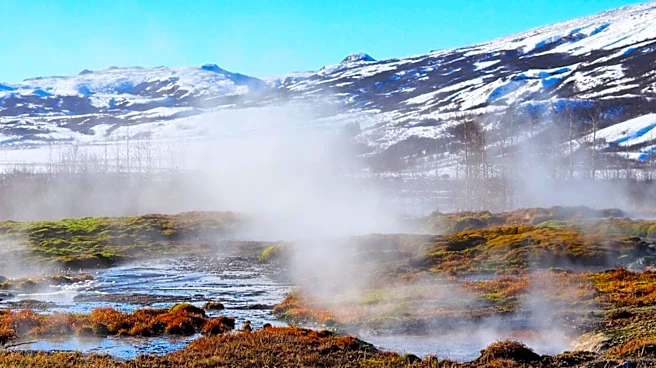
One of the most striking features of mountain ecosystems is altitudinal zonation. As elevation increases, the climate becomes colder and less hospitable, leading to distinct bands of vegetation and wildlife. Each zone is characterized by a specific set of environmental conditions, which in turn support particular types of plants and animals adapted to those conditions.
At the highest elevations, where temperatures are coldest, life is sparse and resembles tundra ecosystems. Here, only the hardiest of plants and animals can survive. Just below this zone, subalpine forests of needleleaf trees thrive, adapted to withstand the cold and dry conditions. Further down, montane forests, which can be either needleleaf or broadleaf depending on the region, dominate the landscape.
The Role of Precipitation
Mountains also influence local precipitation patterns, which further affects the ecosystems. As moist air rises over a mountain range, it cools and releases precipitation in the form of rain or snow. This orographic effect means that the windward side of a mountain range often receives more precipitation than the leeward side, creating a rain shadow effect.
This variation in precipitation can lead to significant differences in vegetation and wildlife on either side of a mountain range. For example, the western slopes of the Andes receive abundant rainfall, supporting lush forests, while the eastern slopes are much drier, resulting in different plant and animal communities.
Isolation and Biodiversity
The unique climatic conditions and geographical isolation of mountain ecosystems contribute to high levels of biodiversity. Many species found in mountain regions are endemic, meaning they are not found anywhere else in the world. This isolation can lead to the development of unique adaptations and evolutionary paths.
However, the specialized nature of mountain ecosystems also makes them vulnerable to environmental changes. Climate change, in particular, poses a significant threat to these ecosystems, as rising temperatures can alter the delicate balance of conditions that support life at different elevations. Conservation efforts are crucial to preserving the rich biodiversity found in mountain regions and ensuring that these unique ecosystems continue to thrive.