






Falafel, a beloved Middle Eastern fritter, is more than just a simple fried food; it is a culinary art form with diverse preparation methods, key ingredients, and serving traditions that vary across regions. From the choice of legumes to the blend of herbs and spices, each element contributes to the unique character of this dish. Understanding the nuances of falafel preparation reveals a rich tapestry of flavors and textures, showcasing how a seemingly
straightforward item can offer a wide range of gastronomic experiences, whether enjoyed as a snack or a hearty meal.
The Foundation: Fava Beans Versus Chickpeas
The primary ingredient in falafel dictates much of its regional identity. In Egypt and the Arabian Peninsula, falafel is most often made from fava beans. This traditional approach involves soaking dried fava beans in water, then stone grinding them. The mixture is then combined with specific herbs and spices, such as leek, parsley, green coriander, cumin, and dry coriander, before being shaped and deep-fried. The fava bean falafel, known as *ta'amiyya* in Egypt, typically results in a fritter with a distinct texture and flavor profile, often described as earthy and robust.Conversely, in the Levant, including areas like Palestine, Jordan, Lebanon, and Syria, chickpeas are the more common base for falafel, though sometimes a blend of both legumes is used. The chickpea-based version is particularly prevalent in Israeli and Palestinian cuisine and has gained significant popularity in Western countries. For chickpea falafel, the chickpeas are not cooked prior to use; instead, they are soaked overnight, sometimes with baking soda, to soften them. This soaking process is crucial, as cooking the chickpeas beforehand would cause the falafel to fall apart, necessitating the addition of a binder like flour.
Crafting the Fritter: Herbs, Spices, and Shaping
Regardless of whether fava beans or chickpeas are used, the flavor of falafel is significantly enhanced by a blend of fresh herbs and aromatic spices. Common additions to the ground legume mixture include parsley, scallions, and garlic. Spices such as cumin and coriander are frequently incorporated to provide depth and warmth to the flavor profile. The combination of these ingredients creates the characteristic taste that makes falafel so appealing.Once the mixture is prepared, it is shaped into balls or patties. This can be done by hand, a traditional method, or with the aid of a specialized tool called an *aleb falafel*, which is a falafel mold designed to create uniform shapes. While deep-frying is the most common cooking method, resulting in a crispy exterior, falafel can also be oven-baked as a healthier alternative. The interior of falafel can vary in color; it may appear green due to the presence of green herbs like parsley or green onion, or it can be tan. Sometimes, sesame seeds are sprinkled on top of the falafel before frying, adding a nutty flavor and textural contrast.
Diverse Serving Styles and Accompaniments
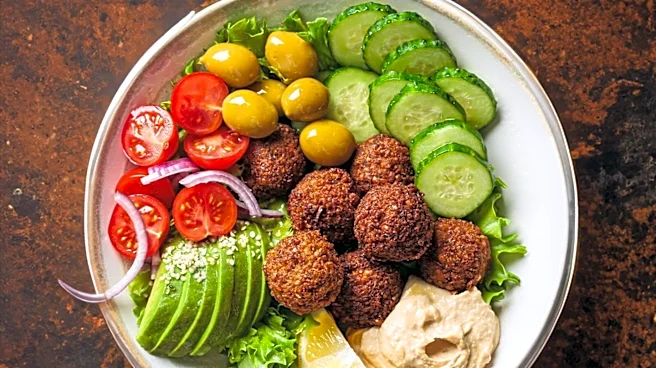
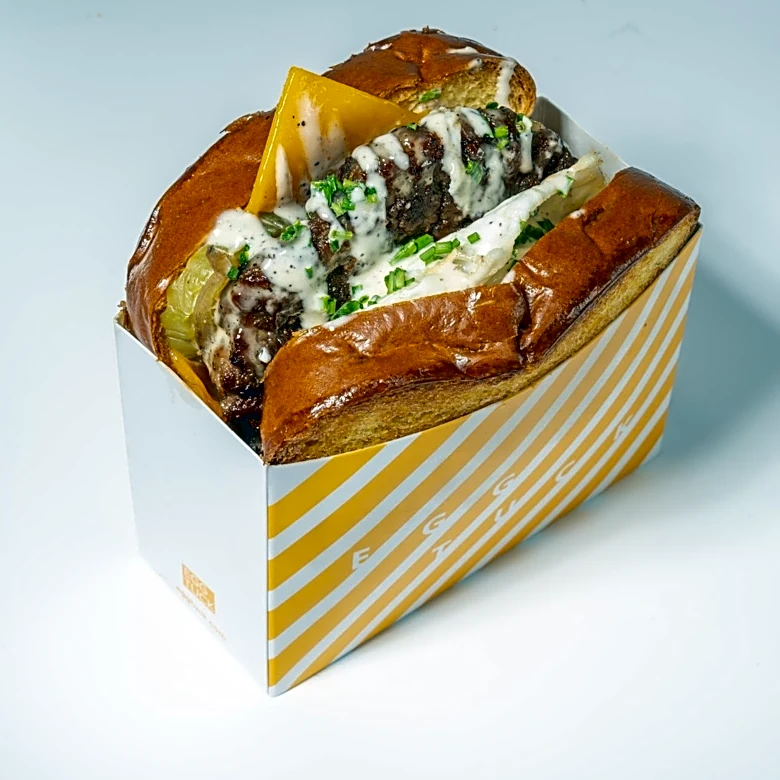
Falafel's versatility extends to its serving methods. It is often enjoyed as a standalone snack or as part of a *meze* tray, which is an assortment of appetizers. However, one of the most popular ways to consume falafel is as a sandwich. It can be wrapped in various flatbreads such as pita, samoon, laffa, or taboon, or stuffed into a hollow pita bread, which acts as a convenient pouch. The term "falafel" itself can refer to these wrapped sandwiches as well as the fritters.Toppings and accompaniments are integral to the falafel experience. Common additions include fresh salads, pickled vegetables, and hot sauce, which add freshness, tang, and a kick of spice. A drizzle of tahini-based sauce is almost universally present, providing a creamy, nutty counterpoint to the fried fritters. Other garnishes like tomatoes, lettuce, and cucumbers further enhance the flavor and texture of the falafel sandwich, making it a complete and satisfying meal.