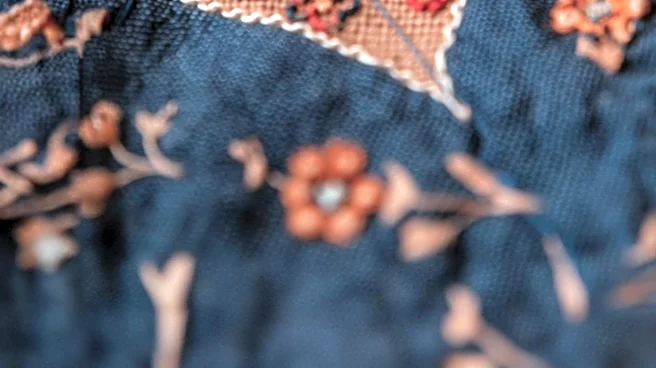








Machine embroidery has transformed from a manual craft into a sophisticated, computer-controlled process. This evolution has been marked by significant technological advancements that have expanded its applications and accessibility. From its early days of manual operation to the introduction of computerized systems, machine embroidery has continually adapted to meet the demands of both commercial and personal use.
Early Beginnings and Manual Techniques
The journey of machine embroidery
began with manual techniques that required significant skill and precision. Before the advent of computerized systems, embroidery designs were created by manually punching patterns onto paper tape. This method was labor-intensive and prone to errors, as a single mistake could ruin an entire design. Despite these challenges, manual embroidery machines laid the groundwork for future innovations.
In the early 20th century, the introduction of multi-head automatic embroidery machines marked a significant milestone. These machines, such as those developed by Tajima, allowed for more efficient production by automating color changes and reducing the need for manual intervention. This period also saw the development of the first embroidery sample head, which enabled embroiderers to create design samples without manual sewing, saving time and effort.
The Rise of Computerized Embroidery
The 1980s ushered in a new era for machine embroidery with the introduction of computerized systems. Companies like Wilcom and Melco played pivotal roles in this transformation. Wilcom's computer graphics embroidery design system allowed for more intricate and precise designs, while Melco's digitizing system, the Digitrac, revolutionized the way designs were created and executed.
Computerized embroidery machines offered numerous advantages over their manual predecessors. They could store and execute complex designs with ease, significantly reducing production time and increasing accuracy. The ability to digitize designs also opened up new possibilities for customization and creativity, making embroidery more accessible to a wider audience.
Modern Innovations and Accessibility
As technology continued to advance, machine embroidery became increasingly accessible to home users. The development of user-friendly software and affordable machines allowed hobbyists to explore embroidery as a creative outlet. Companies like Brother Industries and Pulse Microsystems contributed to this trend by developing integrated systems that simplified the embroidery process.
Today, machine embroidery is a versatile craft used in various applications, from commercial branding to personal customization. The integration of digital technology has enabled the creation of intricate designs with minimal effort, making embroidery a popular hobby and a valuable tool for businesses. As technology continues to evolve, machine embroidery is poised to reach new heights, offering endless possibilities for creativity and innovation.