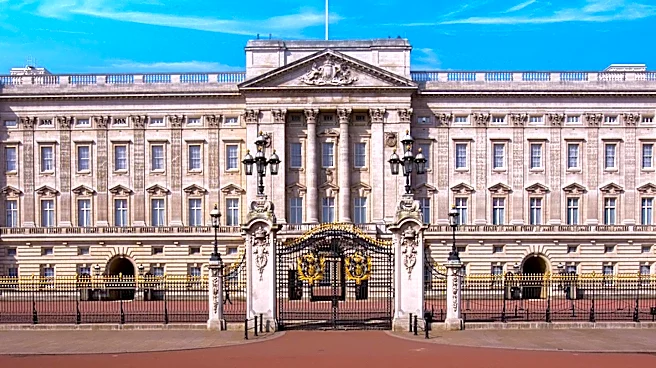





Buckingham Palace, beyond its iconic exterior, houses a remarkable collection of interiors and features that reflect centuries of royal taste and architectural evolution. From its vast number of rooms to its specific decorative styles and unique amenities, the palace is a testament to its status as a principal royal residence. The design choices, from the vibrant colors of its early 19th-century decor to the Belle Époque redecoration, offer a glimpse
into the aesthetic preferences that have shaped this historic building.
A Multitude of Rooms and Decorative Styles
The palace is an expansive structure, boasting an impressive 775 rooms. Among these are 19 staterooms, which are specifically designated for official and state entertaining. These staterooms are not only functional but also serve as showcases of historical design. The palace also contains 79 bathrooms, highlighting the sheer scale of the residence and its capacity to host numerous individuals.
Many of the original early 19th-century interior designs still survive within the palace. These designs are characterized by the widespread use of brightly colored scagliola and blue and pink lapis, materials chosen on the advice of Charles Long. This vibrant palette contributed to the palace's initial grandeur and distinct character, setting a tone for its royal interiors.
Evolution of Interior Aesthetics
Over time, the interior aesthetics of Buckingham Palace have seen significant updates. Edward VII oversaw a partial redecoration that introduced a Belle Époque cream and gold color scheme. This change brought a new layer of sophistication and a more unified, elegant look to certain areas of the palace, reflecting the popular styles of his era. This redecoration demonstrates the continuous adaptation of the palace's interiors to contemporary tastes while maintaining its historical essence.
Beyond the grand staterooms, many smaller reception rooms are furnished in the Chinese regency style. These rooms feature furniture and fittings that were brought from other royal properties, specifically the Royal Pavilion at Brighton and from Carlton House. This incorporation of diverse styles and furnishings from other royal residences adds to the unique and eclectic character of Buckingham Palace's interior design, showcasing a rich history of royal collections.
The Palace's Private Garden and Public Access
Adding to its impressive features, Buckingham Palace is home to the largest private garden in London. This extensive green space provides a secluded natural environment within the bustling city, offering a private retreat for the monarch. The garden is a significant, yet often unseen, aspect of the palace's overall grandeur and utility.
While much of the palace remains private, certain areas are made accessible to the public. The state rooms, which are crucial for official and state entertaining, are open to visitors each year for most of the summer. Additionally, these rooms can be visited on selected days during the winter and spring. This public access allows individuals to experience the historical and architectural splendor of Buckingham Palace firsthand, offering a unique insight into royal life and history.