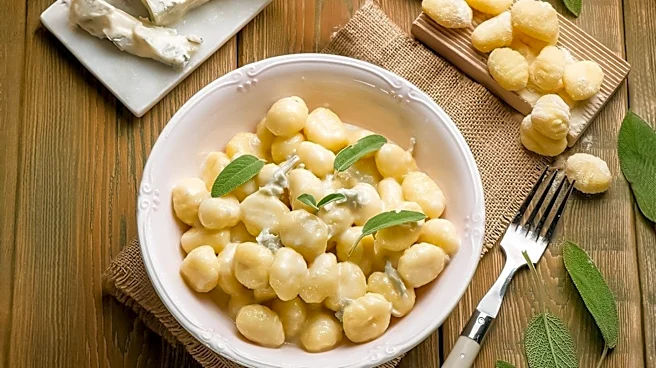





Gnocchi, a beloved staple of Italian cuisine, are small dumplings typically made from potatoes and flour. These delightful morsels are often served as a first course, dressed with butter, sage, or a variety of sauces. While the basic recipe is simple, gnocchi can be made with a range of ingredients, including cheese and semolina, offering a glimpse into the rich culinary traditions of Italy.
Traditional Ingredients and Techniques
The classic gnocchi recipe calls for a combination of wheat
flour, potato, egg, and salt. This mixture is rolled into small pieces, about the size of a wine cork, and then shaped using a fork or a gnocchi board to create ridges that help hold sauce. The dough is then boiled in salted water until the gnocchi float to the surface, indicating they are cooked.
Variations of gnocchi incorporate different ingredients to enhance flavor and texture. Semolina flour, cheese, breadcrumbs, and cornmeal are common additions, along with herbs and vegetables. Some recipes substitute sweet potatoes for regular potatoes or rice flour for wheat flour, though these are considered non-traditional.
Regional Variations and Innovations
Across Italy, gnocchi recipes vary by region, reflecting local tastes and ingredients. In Lombardy and Tuscany, malfatti are made with ricotta, flour, and spinach, while Tuscan gnudi contain less flour and are often served with butter and sage. In Campania, strangulaprievete are flour-based, and Sardinian malloreddus are made with semolina.
Outside Italy, gnocchi have been embraced and adapted by various cultures. In Croatia, they are known as njoki and often served as a first course or side dish. In France, gnocchis à la parisienne are made with choux pastry and served with béchamel sauce. South American countries like Argentina and Uruguay celebrate gnocchi on the 29th of each month, a tradition linked to prosperity.
Modern Production and Storage
While homemade gnocchi are typically consumed fresh, they can be frozen for later use. Commercially produced gnocchi are available in refrigerated, dried, or frozen forms, often packaged to extend shelf life. Vacuum packaging allows some varieties to be shelf-stable until opened.
The versatility of gnocchi makes them a favorite in Italian cuisine and beyond. Whether enjoyed in a traditional recipe or a modern variation, gnocchi continue to delight with their comforting texture and ability to absorb rich sauces.