


Lunging postures are a cornerstone of modern yoga as exercise, offering a dynamic way to build strength, improve flexibility, and enhance balance. Within the vast landscape of yoga asanas, several lunge variations exist, each with its unique characteristics and benefits. From the foundational Anjaneyasana, often called the Low Lunge, to the more challenging High Lunge, these poses are integral to many yoga sequences. Understanding the nuances between
these variations, their alternative names like Crescent Moon Pose or Equestrian Pose, and how they can be adapted, provides a deeper appreciation for the versatility of lunging in yoga practice.
Anjaneyasana: The Foundational Low Lunge
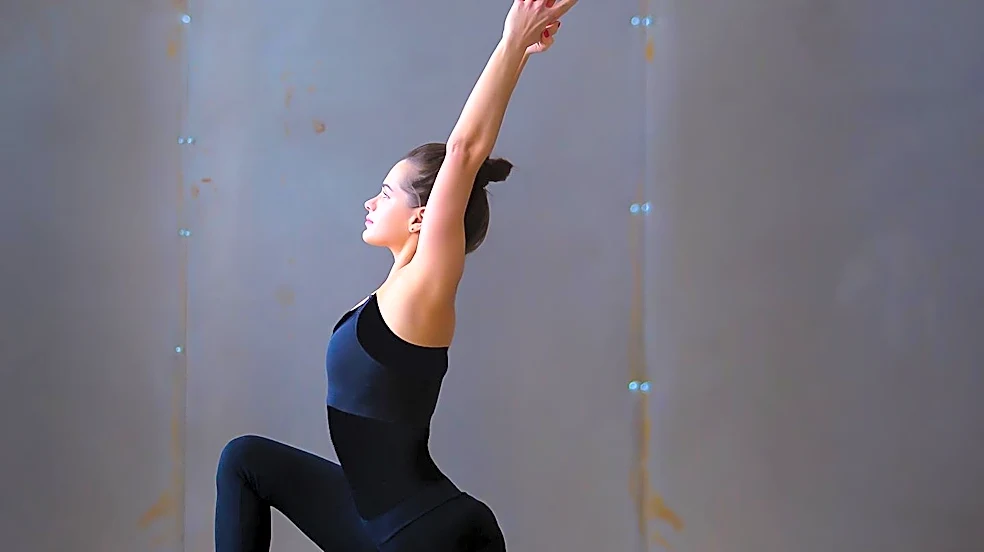
Anjaneyasana, widely recognized as the Low Lunge, serves as a primary entry point into lunging postures in yoga. This asana is characterized by one leg extended back with the knee typically resting on the mat, while the front leg is bent at a 90-degree angle, with the knee stacked over the ankle. It is also known as Crescent Moon Pose, particularly when the arms are extended overhead and the torso gently arches back, creating a crescent shape. Another name, Equestrian Pose, draws a visual parallel to a rider's stance.The Low Lunge is a back-bending posture that primarily targets the hip flexors of the back leg, providing a deep stretch, while simultaneously strengthening the quadriceps and glutes of the front leg. It is often used to open the hips and chest, preparing the body for more advanced poses. The stability offered by the grounded back knee allows practitioners to focus on lengthening the spine and deepening the backbend, making it accessible for various levels of yoga experience.
High Lunge: Elevating the Challenge
While Anjaneyasana often refers to the Low Lunge, the term Crescent Moon Pose or High Lunge is sometimes used to describe a variation where the back knee is lifted off the ground. In the High Lunge, the practitioner maintains the lunge position with the back leg fully extended and the heel lifted, engaging the muscles of both legs more intensely. This variation demands greater strength in the legs and core, as well as increased balance, as the base of support is reduced compared to the Low Lunge.The High Lunge is a dynamic pose that builds stamina and power in the lower body. It is frequently incorporated into vinyasa flow sequences, where it can serve as a transition between standing poses or as a preparatory pose for more complex balances. The elevated challenge of the High Lunge makes it a progression from the Low Lunge, allowing practitioners to gradually build strength and stability in their lunging practice.
Exploring Variations: Twists and Deeper Openings
The versatility of lunging postures extends to numerous variations that target different areas of the body and add complexity to the practice. Parivritta Anjaneyasana, or Revolved Anjaneyasana, introduces a spinal twist to the lunge. In this pose, the torso rotates towards the front leg, often with one hand on the floor and the other reaching towards the sky, or with hands in prayer position at the chest, with the elbow hooked outside the front knee. This variation enhances spinal mobility, stretches the side body, and can improve digestion.Another significant variation is Utthana Pristhasana, known as Lizard Pose. While it begins from a lunge position, it typically involves bringing both hands to the inside of the front foot and often lowering the forearms to the floor. This pose offers a much deeper opening in the hips and groin, targeting areas that can be tight from prolonged sitting. The adaptability of lunges is further highlighted by the fact that even the High Lunge can be performed using a chair for support, making these beneficial postures accessible to a wider range of individuals and physical conditions.