





Dry Tortugas National Park, located about 68 miles west of Key West, Florida, is a unique and fascinating destination. This national park is known for its remote location and the stunning natural beauty of its coral islands. The park is primarily water, with a small percentage of land that includes several islands. Understanding the geography of Dry Tortugas is essential to appreciating its ecological and historical significance.
The Islands of Dry Tortugas
The Dry Tortugas is
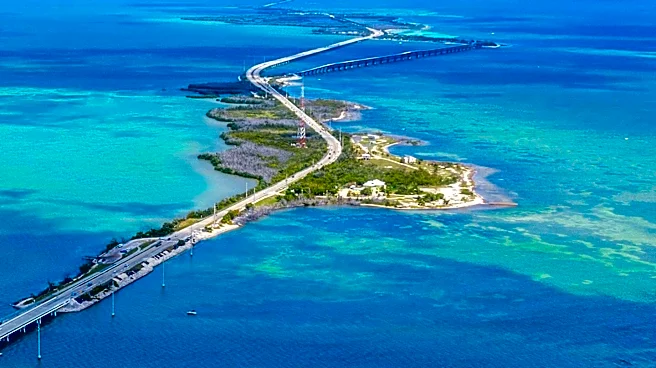
an archipelago consisting of coral islands that represent the westernmost extent of the Florida Keys. The park is more than 99 percent water, with the islands making up a small portion of its total area. The islands are low and irregular, with some featuring thin growths of mangroves and other vegetation, while others have only small patches of grass or no plant life at all. The number of islands has varied over time due to changing water levels and hurricane impacts, with some islands disappearing and reappearing multiple times.
The major islands within the park include Loggerhead Key, Garden Key, Bush Key, Long Key, Hospital Key, Middle Key, and East Key. Loggerhead Key is the largest, with an area of 64 acres and the highest elevation in the Dry Tortugas at 10 feet. Garden Key, home to Fort Jefferson, is the second largest island. These islands are continually changing in size and shape, influenced by natural forces such as tides and storms.
The Surrounding Waters
The waters surrounding the Dry Tortugas are part of a larger marine ecosystem that includes the Florida Keys National Marine Sanctuary and the Tortugas Ecological Reserve. The park's coral reefs are among the least disturbed in the Florida Keys, providing a haven for marine life. In 2007, a significant portion of the park was designated as a research natural area, where no marine life may be taken, and vessels are required to use designated mooring buoys or docks.
The park's waters are also home to various reefs and submarine banks that extend westward beyond the Tortugas. These underwater features contribute to the park's rich biodiversity and are a key reason for its designation as a national park.
The Dynamic Landscape
The landscape of Dry Tortugas is dynamic, with the islands and surrounding waters constantly changing. The total land area within the park varies with water levels, and the islands themselves are subject to erosion and deposition. This ever-changing environment is part of what makes Dry Tortugas National Park a unique and valuable natural resource.
Visitors to the park can experience this dynamic landscape firsthand, exploring the islands and snorkeling in the clear waters to observe the vibrant marine life. The park's remote location and pristine environment offer a rare opportunity to connect with nature and witness the power of natural forces at work.