


The November 1966 smog in New York City stands as a significant air-pollution episode and environmental disaster, unfolding over the Thanksgiving holiday weekend. From November 23 to 26, a dense blanket of smog enveloped the city and its surrounding areas, saturating the air with dangerous levels of toxic pollutants. These included carbon monoxide, sulfur dioxide, smoke, and particulate matter. The pollution index soared to an unprecedented 60.6,
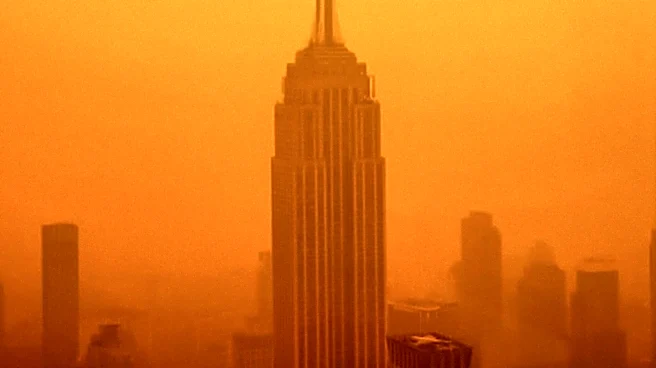
a full 10 points above what was considered the "emergency" threshold. This severe atmospheric condition drastically reduced visibility, giving the air a yellowish tint and a greasy appearance, and tragically led to the deaths of over 200 residents. It marked the third major smog event of its kind for the city, following similar large-scale incidents in 1953 and 1963.
The Onset of the Crisis
The environmental crisis began on November 23 when a large, stagnant air mass settled over the East Coast of the United States. This atmospheric condition effectively trapped pollutants within New York City's air, preventing their dispersal. For three consecutive days, the city found itself submerged in dangerously high concentrations of various harmful substances. Beyond the immediate city limits, smaller pockets of this pervasive air pollution extended into the greater New York metropolitan area, affecting parts of neighboring New Jersey and Connecticut.As the smog intensified, regional leaders were compelled to take action. By November 25, the situation had become severe enough to warrant the announcement of a "first-stage alert." This declaration prompted leaders from both local and state governments to issue appeals to residents and industries, urging them to voluntarily implement measures to minimize their emissions. Simultaneously, health officials released critical advice, recommending that individuals with pre-existing respiratory or heart conditions remain indoors to avoid the hazardous air.
City's Response and Public Health Warnings
In response to the escalating crisis, the city government took direct action. One significant step was the shutdown of municipal garbage incinerators. While intended to reduce airborne pollutants, this measure created a new logistical challenge, necessitating the massive hauling of accumulated garbage to landfills. This decision highlighted the complex interplay of urban services and environmental concerns during such an emergency.Throughout the event, the air pollution levels were alarming. The pollution index, which measured the combined impact of various pollutants, reached 60.6. This figure was not only high but also exceeded the established "emergency" mark by a considerable margin of 10 points. The visual impact was equally striking: visibility was severely impaired, and the air itself took on an unhealthy yellowish hue and a greasy texture, signaling the heavy presence of particulate matter and other contaminants.
The Aftermath and Lingering Impact
The suffocating grip of the smog finally began to loosen on November 26. A cold front moved into the region, bringing with it the necessary atmospheric changes to disperse the trapped pollutants. With the arrival of cleaner air, the "first-stage alert" was officially concluded, bringing an end to the immediate environmental emergency. However, the impact of the smog lingered, particularly in terms of public health.In the months following the event, medical researchers initiated studies to assess the full extent of the smog's health consequences. Initially, city health officials had maintained that the smog had not directly caused any deaths. However, subsequent investigations quickly revealed a different and more somber reality. It became evident that the smog was a major environmental disaster with profound effects on public health, ultimately being linked to the deaths of over 200 New York City residents.