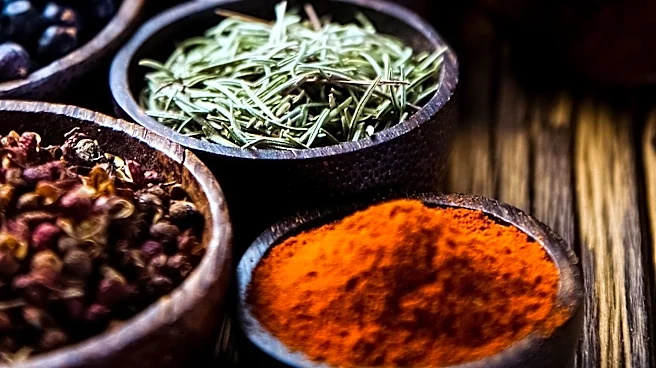











Spices have long been an integral part of culinary traditions around the world, adding flavor, aroma, and color to dishes. Beyond their culinary uses, spices hold cultural significance, often associated with rituals, medicine, and social status. This article delves into the multifaceted role of spices in both cooking and culture, highlighting their impact on global cuisines and traditions.
Culinary Uses and Flavor Enhancement
In the culinary arts, spices are used primarily for flavoring
and coloring food. Unlike herbs, which are derived from the leaves, flowers, or stems of plants, spices come from seeds, fruits, roots, bark, and other plant substances. This distinction allows spices to offer a wide range of flavors and aromas, making them essential in many cuisines.
Spices can be used in various forms, including fresh, whole, dried, grated, chopped, crushed, ground, or extracted into a tincture. These processes enhance the flavor profile of dishes, allowing cooks to experiment with different combinations to achieve unique tastes. Common spices like cumin, coriander, and mustard seeds are often used in Indian cooking, where they are bloomed in oil to release their flavors and create a fragrant base for dishes.
Cultural Significance and Symbolism
Spices have cultural significance that extends beyond their culinary uses. Historically, they have been used in medicine, religious rituals, cosmetics, and perfume production. In many cultures, spices are seen as symbols of wealth and social class, with their conspicuous consumption often indicating status.
The spice trade has played a crucial role in cultural exchange, with spices being traded across continents for thousands of years. This exchange has influenced culinary traditions, leading to the incorporation of spices into various regional cuisines. For example, saffron, known for its vivid color and flavor, is used in Indian and Iranian dishes, while turmeric is a staple in South Asian and Middle Eastern cooking.
Spices in Modern Cuisine
Today, spices continue to be a vital component of global cuisines, with their use evolving to suit modern tastes and preferences. The versatility of spices allows them to be used in both savory and sweet dishes, from curries and stews to cakes and beverages. As culinary trends shift, spices remain a constant, providing depth and complexity to dishes.
The cultural significance of spices persists, with their use in traditional rituals and ceremonies still prevalent in many societies. As globalization continues to bring diverse cultures together, spices serve as a bridge, connecting people through shared culinary experiences. The exploration of spices in both cooking and culture reveals their enduring impact and the rich tapestry of traditions they represent.