

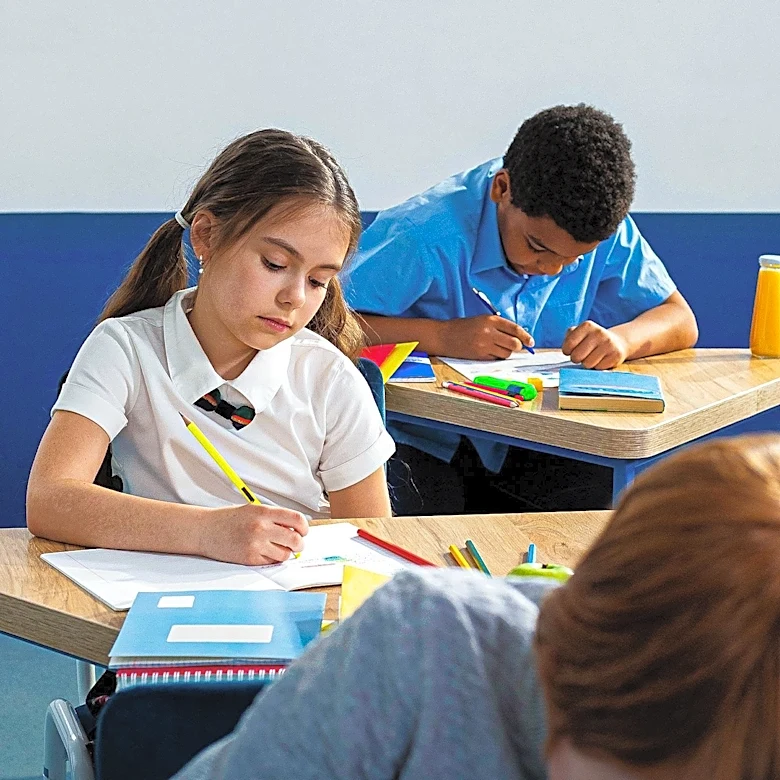








Curriculum is a comprehensive term that encompasses the totality of student experiences in an educational process. It is often divided into several categories, each playing a unique role in shaping the educational experience. Understanding these different types of curriculum is essential for educators and policymakers to create effective educational programs.
Explicit and Implicit Curriculum
The explicit curriculum refers to the planned sequence of instruction that is intentionally
designed by educators. It includes the specific content, materials, and resources used to achieve educational objectives. This type of curriculum is often documented in lesson plans, textbooks, and other instructional materials. The explicit curriculum is crucial for ensuring that students receive a structured and consistent educational experience.
In contrast, the implicit curriculum, also known as the hidden curriculum, encompasses the unspoken or unintended lessons that students learn in school. This includes social norms, values, and behaviors that are not explicitly taught but are acquired through the school environment. The implicit curriculum plays a significant role in shaping students' attitudes and beliefs, influencing their overall development.
Excluded and Extracurricular Curriculum
The excluded curriculum refers to the content and experiences that are intentionally left out of the educational program. This may include topics that are deemed controversial or not relevant to the instructional goals. The exclusion of certain content can impact students' understanding of the world and limit their exposure to diverse perspectives.
Extracurricular curriculum, on the other hand, includes activities and experiences that occur outside the formal instructional program. These activities, such as sports, clubs, and arts programs, provide students with opportunities to develop skills and interests beyond the academic curriculum. Extracurricular activities play a vital role in fostering personal growth, teamwork, and leadership skills.
The Role of Curriculum in Education
Each type of curriculum contributes to the overall educational experience, shaping students' knowledge, skills, and attitudes. The explicit curriculum provides a structured framework for learning, ensuring that students acquire essential knowledge and skills. The implicit curriculum influences students' social and emotional development, shaping their values and behaviors.
The excluded curriculum highlights the importance of considering diverse perspectives and ensuring that educational programs are inclusive and comprehensive. By being aware of what is excluded, educators can make informed decisions about the content and experiences they provide to students.
Extracurricular activities complement the formal curriculum by offering students opportunities to explore their interests and develop important life skills. These activities enhance the educational experience by promoting personal growth and fostering a sense of community.
In conclusion, understanding the different types of curriculum is essential for creating effective educational programs. By considering the explicit, implicit, excluded, and extracurricular curriculum, educators can design comprehensive and inclusive educational experiences that meet the diverse needs of students.