



The 1971 Major League Baseball season was not just about the games played or the final standings; it was also a year of significant adjustments to the rules that directly impacted players, fans, and team operations. These changes reflected an evolving understanding of player safety, the desire to foster better connections between athletes and their supporters, and the practical needs of managing a professional baseball roster. From mandatory equipment
to relaxed interaction policies and expanded injury management options, the 1971 season introduced modifications that touched upon the very human aspects of the sport, moving beyond mere on-field strategy to address the well-being and engagement of those involved.
Enhancing Player Safety: The Batting Helmet Mandate
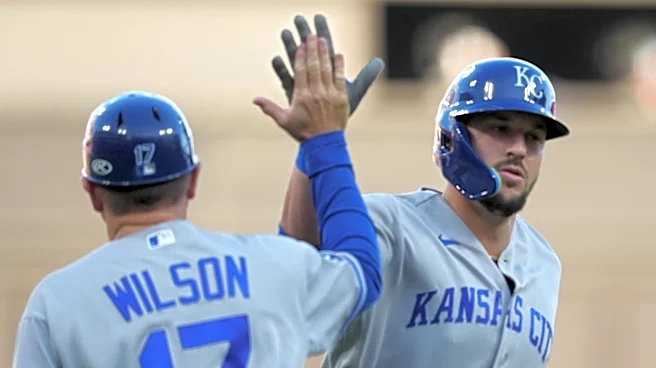
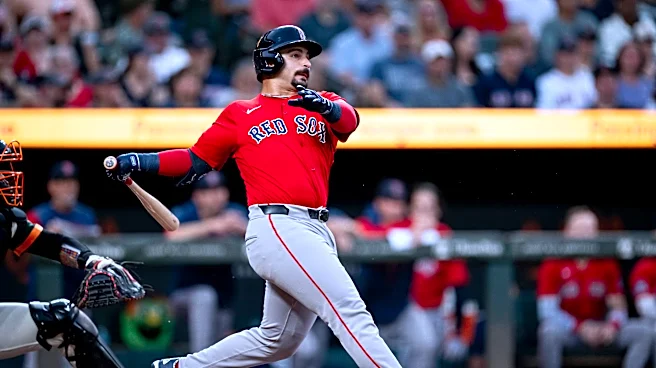
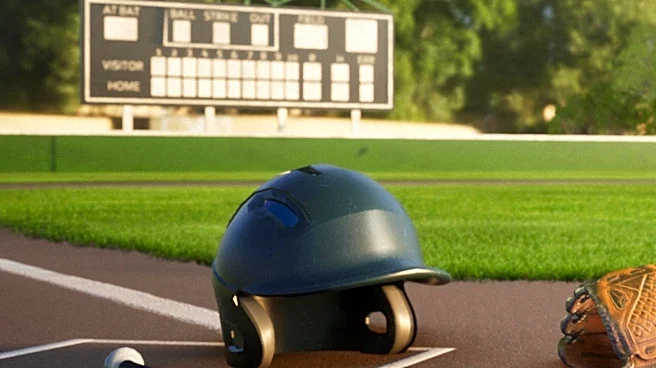
One of the most direct and impactful rule changes implemented in the 1971 season was the requirement for players on the current hitting team to wear a batting helmet. This was a crucial step towards prioritizing player safety, acknowledging the inherent risks associated with facing high-speed pitches. The introduction of mandatory helmets aimed to reduce head injuries, a significant concern in a sport where fast-moving objects are central to the action.While the rule established a new standard for protection, it also included a transitional provision. Players who had been using a cap liner in the previous 1970 season were allowed to continue doing so. This flexibility likely helped ease the adoption of the new safety measure, allowing players accustomed to older practices to gradually adapt to the updated requirements without immediate, drastic changes to their equipment.
Fostering Fan Engagement: Relaxed Interaction Rules
Prior to the 1971 season, strict rules governed player interaction with fans. Once batting practice began, players were generally prohibited from talking to fans or signing autographs. This created a barrier between the athletes and their supporters, limiting opportunities for direct engagement before games. The 1971 season saw a significant relaxation of these rules, aiming to bridge that gap.Under the new guidelines, players were permitted to interact with fans up to 30 minutes before the start of a game. This change allowed for a more open and accessible environment, giving fans a chance to connect with their favorite players, get autographs, and experience a more personal side of the game. This shift recognized the importance of fan relations and sought to enhance the overall ballpark experience for attendees.
Strategic Team Management: The Expanded Disabled List
Another practical rule change in 1971 addressed how teams managed player injuries through the disabled list. Previously, a team could have a maximum of three players on the disabled list at any given time: two for a 21-day period and one for a 60-day period. This structure provided some flexibility but could be restrictive when multiple players faced different types of injuries.The 1971 season expanded these provisions, offering teams more options for managing their rosters. A new category was introduced, allowing teams to disable a non-pitcher for 15 days. This addition meant that a team could now have a total of four players on the disabled list simultaneously. This increased flexibility was beneficial for teams, enabling them to better manage short-term injuries and maintain competitive rosters throughout the demanding 162-game season.