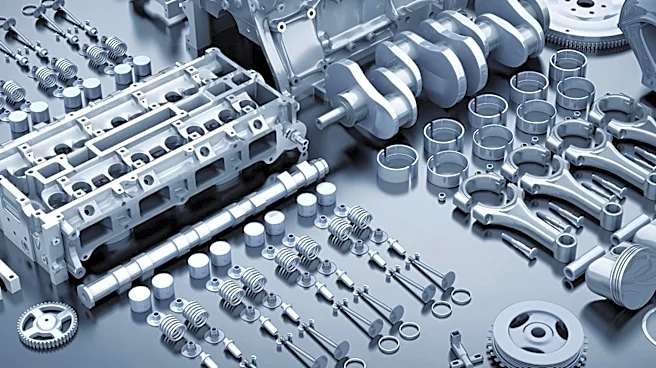







Camshaft design is a critical factor in determining the performance and efficiency of internal combustion engines. This article explores how various camshaft designs influence engine power, efficiency, and overall performance, highlighting the importance of camshaft specifications in engine tuning.
Camshaft Lift and Duration
Two key aspects of camshaft design are lift and duration. Lift refers to the distance the valve is opened by the camshaft, while duration is the length
of time the valve remains open. Both factors significantly impact engine performance.
Higher lift allows for greater airflow into and out of the engine's cylinders, increasing power output. However, excessive lift can lead to mechanical issues, such as valve-piston interference. Duration affects the engine's power band, with longer durations typically increasing power at higher RPMs but potentially reducing low-end torque. Balancing lift and duration is crucial for optimizing engine performance across different operating conditions.
Variable Camshaft Timing
Variable camshaft timing (VCT) is a modern innovation that allows for dynamic adjustments to camshaft timing based on engine speed and load. By altering the timing of the camshaft, VCT systems can optimize valve operation for different driving conditions, enhancing both power and efficiency.
VCT systems can advance or retard the camshaft timing, shifting the engine's power band to suit specific performance needs. For instance, advancing the camshaft timing can increase low-end torque, while retarding it can boost high-end power. This flexibility allows for improved fuel efficiency and reduced emissions, making VCT a valuable technology in modern engine design.
Overhead Camshaft Configurations
The configuration of the camshaft also plays a significant role in engine performance. Overhead camshaft (OHC) designs, including single overhead camshaft (SOHC) and double overhead camshaft (DOHC) configurations, offer advantages over traditional overhead valve (OHV) designs.
OHC engines typically have fewer moving parts and reduced valvetrain inertia, allowing for higher engine speeds and improved performance. DOHC engines, with two camshafts per cylinder bank, provide even greater flexibility in valve timing and operation, further enhancing power and efficiency.
The impact of camshaft design on engine performance is profound, influencing everything from power output to fuel efficiency. As automotive technology continues to evolve, the role of camshafts in optimizing engine performance remains as critical as ever.