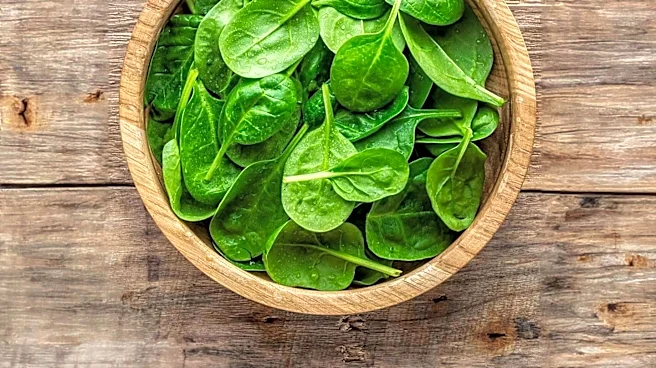

Spinach, a leafy green vegetable, is celebrated for its nutritional benefits and versatility in the kitchen. As a member of the Amaranthaceae family, spinach is rich in vitamins and iron, making it a valuable
addition to any diet. This article explores the nutritional profile of spinach and its various culinary uses in modern cuisine.
Nutritional Benefits of Spinach
Spinach is renowned for its impressive nutritional content. It is an excellent source of vitamins A, C, and K, as well as folate and iron. These nutrients play crucial roles in maintaining overall health, from supporting the immune system to promoting healthy blood circulation. The high iron content in spinach is particularly beneficial for individuals with iron-deficiency anemia, as it helps increase hemoglobin levels in the blood.
In addition to vitamins and minerals, spinach is also rich in antioxidants, which help protect the body from oxidative stress and reduce the risk of chronic diseases. The presence of lutein and zeaxanthin in spinach supports eye health by protecting against age-related macular degeneration. With its low calorie content and high nutrient density, spinach is an ideal food for those looking to maintain a healthy weight while ensuring adequate nutrient intake.
Culinary Uses of Spinach
Spinach's versatility in the kitchen makes it a popular ingredient in a wide range of dishes. It can be consumed fresh in salads, where its tender leaves add a vibrant green color and a mild, slightly sweet flavor. Spinach is also commonly used in cooked dishes, such as soups, stews, and casseroles, where it adds both flavor and nutrition.
Cooking spinach can alter its taste and texture, with methods like blanching helping to reduce its high oxalate content. This makes it more palatable and easier to digest. Spinach can also be preserved through canning, freezing, or dehydration, allowing it to be enjoyed year-round.
Spinach in Global Cuisines
Spinach is a staple in many global cuisines, each of which highlights its unique qualities. In Mediterranean cuisine, spinach is often paired with feta cheese and used in dishes like spanakopita, a savory pastry filled with spinach and cheese. In Asian cuisine, spinach is frequently stir-fried with garlic and soy sauce, creating a simple yet flavorful side dish.
The adaptability of spinach in various culinary traditions underscores its status as a beloved vegetable worldwide. Whether enjoyed fresh or cooked, spinach continues to be a nutritional powerhouse that enhances the flavor and health benefits of any meal.