







Luis "Mountain" Rivera, once a formidable heavyweight boxer, faces a grim reality when his career in the ring comes to an abrupt end. After enduring a severe beating in a match against the young Cassius Clay, a doctor refuses to certify him for any future fights. This pivotal moment thrusts Mountain into an uncertain future, forcing him to confront the harsh realities of life outside the boxing world he has always known. His story becomes a poignant
exploration of an athlete's struggle for identity and survival once their prime has passed, highlighting the vulnerability that can accompany a life dedicated to a physically demanding sport.
The Search for a New Path
With his boxing career over, Mountain attempts to navigate the unfamiliar territory of civilian employment. He visits an employment agency, where he encounters Grace Miller, a social worker. Initially reserved, Grace soon develops sympathy for Mountain's plight and promises to help him find an opening. This interaction offers a glimmer of hope for Mountain, suggesting a potential new direction away from the violence and exploitation of the boxing world. The idea of a different life, one that doesn't involve physical combat, begins to take shape, albeit tentatively.
Grace later informs Mountain of a potential counselor position at a children's camp, an opportunity that genuinely interests him. The two bond over drinks, and Mountain shares stories from his time in the ring, revealing a more sensitive side beneath his tough exterior. This connection with Grace represents a chance for Mountain to redefine himself, to use his experiences in a positive way, and to find a sense of purpose beyond fighting. The prospect of working with children suggests a path toward healing and contribution, a stark contrast to the brutal world he is leaving behind.
The Shadow of Maish Rennick
Despite these new possibilities, Mountain remains tethered to his past through his manager, Maish Rennick. Maish, burdened by gambling debts, proposes that he, Mountain, and their cutman Army venture into professional wrestling. Mountain is hesitant, disliking the staged nature of wrestling, which clashes with his background in legitimate boxing. Maish, however, is desperate to repay Ma Greeny and her thugs, who threaten his life over losses incurred from a fixed fight involving Mountain.
Maish's influence proves detrimental to Mountain's attempts at a fresh start. Hoping to derail Mountain's job interview, Maish takes him to a bar where they both get drunk. Army arrives to remind Mountain of his appointment, but Rivera's drunken behavior at the hotel, in plain sight of the camp owners, sabotages his chances. Grace confronts Maish in tears, condemning him for controlling Mountain and ruining his opportunity for a new life. Maish, however, forcefully disputes her accusations, arguing that her idealized view of Mountain is as damaging as his own alleged mismanagement, and dismisses her vision for Mountain's future as naive and improbable.
The Humiliation of "Big Chief Mountain Rivera"
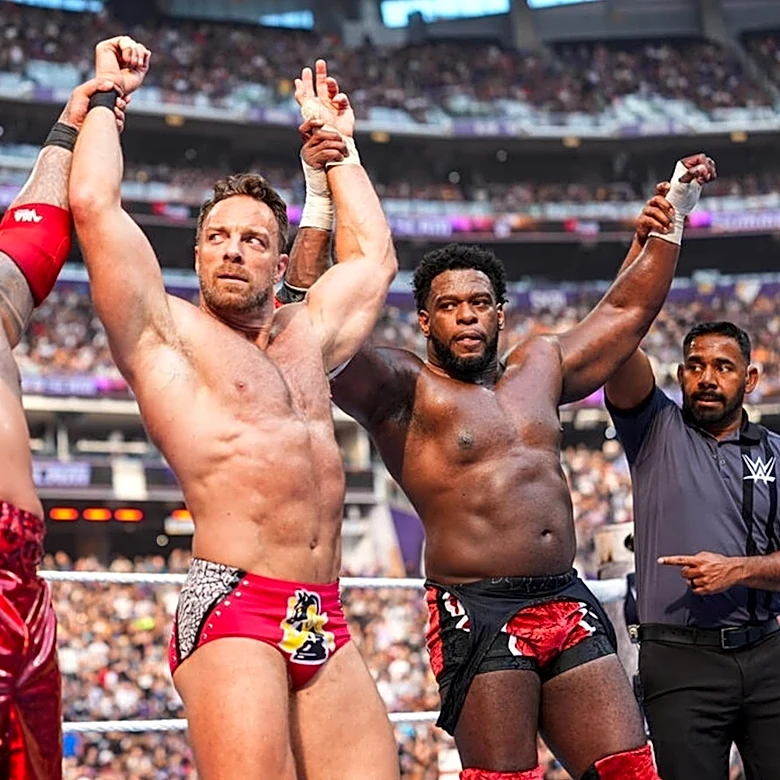
Ultimately, to settle Maish's gambling debts, Mountain reluctantly agrees to perform as a Native American wrestling persona, "Big Chief Mountain Rivera." As he prepares to enter the ring for his first match, an overwhelming wave of humiliation washes over him, causing him to reconsider. In a moment of desperation, Maish blurts out that he bet against Mountain in the fight against Clay. Just as Rivera attempts to leave the locker room, Ma Greeny and her thugs appear, threatening Maish. This dire situation forces Mountain to change his mind once more, agreeing to wrestle to ensure Maish's safety and to pay off the debts.
The film's final scene depicts Mountain entering the ring amidst jeering ridicule, facing off against Haystacks Calhoun, a wrestler billed at 601 pounds. This moment encapsulates the tragic trajectory of Mountain Rivera, reduced from a respected heavyweight boxer to a spectacle in a staged performance, his dignity stripped away by circumstances and the manipulative actions of those around him. His story serves as a stark reminder of the often-exploitative nature of professional sports and the difficult transition many athletes face after their careers end.