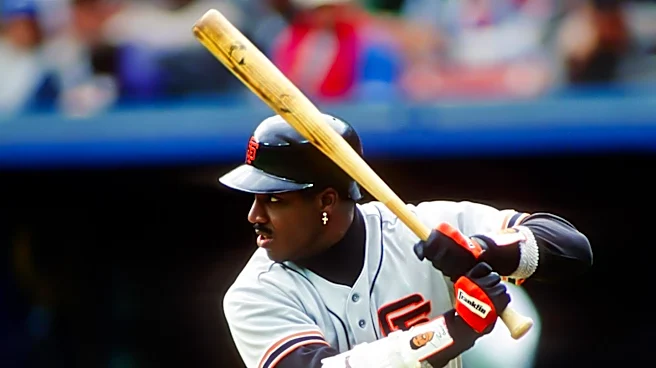

In 2001, Barry Bonds etched his name into Major League Baseball history by setting the single-season home run record with an astounding 73 blasts. This achievement was a significant moment in a period
marked by a dramatic increase in home run totals, following closely on the heels of Mark McGwire's 70 home runs in 1998. Bonds' performance not only broke McGwire's relatively new record but also surpassed Roger Maris' long-standing mark of 61 home runs from 1961, further solidifying his place among baseball's elite power hitters, even as questions about performance-enhancing drugs began to surface.
The Record-Breaking Pace of 2001
Barry Bonds' 2001 season was a display of unprecedented power at the plate. He hit 73 home runs, a total that broke Mark McGwire's record of 70, which had been set just three years prior. This remarkable feat occurred during a 162-game schedule, showcasing his consistent ability to hit for power throughout the entire season. His slugging percentage of .863 also broke a major league record, one that had been held by Babe Ruth since 1920. This statistic highlights not just the quantity of his home runs, but also the quality of his contact, as slugging percentage measures a batter's power by dividing total bases by at-bats.
Bonds' record-setting year was part of a broader trend in baseball where home run totals were reaching new heights. The 1998 season had seen a highly publicized home run chase between Mark McGwire and Sammy Sosa, culminating in McGwire's 70 home runs. Bonds' 2001 season continued this era of offensive explosion, pushing the single-season record even higher. His ability to surpass such a recently established high mark underscored his exceptional talent and dominance at the plate during that period.
The Context of the Home Run Era
Bonds' 2001 record did not exist in a vacuum; it was a continuation of a period that saw several iconic home run records fall. Before McGwire's 70 home runs in 1998, Roger Maris' 61 home runs in 1961 had stood as the single-season record for decades. McGwire's achievement in 1998 had already surpassed both Maris' American League record and the previous National League record of 56, set by Hack Wilson in 1930. Bonds, who also holds the record for most career home runs, then broke McGwire's record three years later, again in the National League.
This succession of record-breaking seasons created immense excitement and debate among baseball fans and analysts. The rapid changes in the record book, particularly in the span of just three years between McGwire and Bonds, made the early 2000s a memorable time for power hitting. However, as with McGwire's record, Bonds' connection to alleged steroid use later led to his accomplishments being questioned, casting a shadow over what were otherwise extraordinary statistical achievements. The American League record was eventually set in 2022 by Aaron Judge, who hit 62 home runs, surpassing Maris' mark after 61 years.