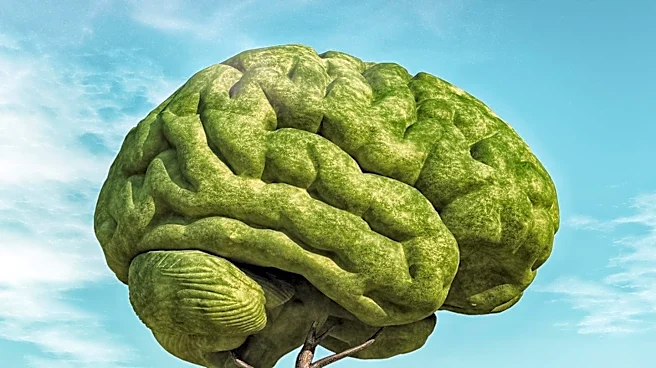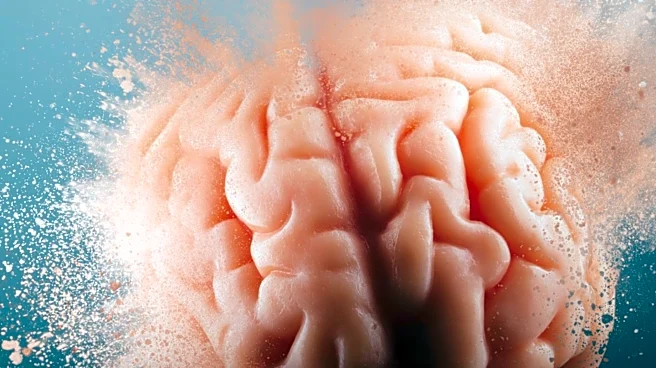









Normalcy bias is a cognitive bias characterized by disbelief or minimization in response to threat warnings. It's a psychological term used in social psychology and disaster psychology, describing a cognitive characteristic where individuals ignore or underestimate information that is inconvenient for them. This bias suggests that the human brain possesses a certain "armor" against unexpected events, processing new information in a way that attempts
to maintain a sense of normalcy. This mechanism is thought to prevent the brain from becoming overly fatigued by constantly reacting to every unexpected change or new phenomenon in daily life, processing events within a normal range as part of the expected order.
The Phases of Disaster Response
Amanda Ripley, author of "The Unthinkable: Who Survives When Disaster Strikes – and Why," identifies three common phases of human response during disasters: denial, deliberation, and the decisive moment. The initial phase, denial, involves people being likely to deny that a disaster is actually occurring. It takes time for the brain to process incoming information and fully recognize a situation as a genuine threat. This delay in processing can be critical, as it postpones the necessary actions for survival.
Following denial is the deliberation phase, where individuals must decide on a course of action. This phase presents a significant challenge if a person lacks a pre-existing plan. Life-threatening stress can induce physiological responses such as tunnel vision, audio exclusion, time dilation, out-of-body experiences, or reduced motor skills. These effects severely limit an individual's ability to perceive information accurately and formulate effective plans. The final phase, the decisive moment, demands quick and resolute action. Ripley emphasizes that failing to act swiftly and decisively at this stage can lead to injury or even death. The faster an individual can navigate through the denial and deliberation phases, the sooner they can reach this decisive moment and begin to take protective measures.
Hypothesized Causes and Effects
One hypothesized cause for normalcy bias relates to how the brain processes new data. Research indicates that even in a calm state, the brain requires 8 to 10 seconds to process new information. Stress further impedes this process. When the brain struggles to find an appropriate response to a novel situation, it may fixate on a single, sometimes default, solution, which might not be correct or adequate for the threat at hand. An evolutionary explanation for this response suggests that paralysis, or a lack of immediate movement, could offer an animal a better chance of surviving an attack, as predators are less likely to notice prey that remains still.
Normalcy bias is reportedly displayed by about 80% of people during disasters and has been described as "one of the most dangerous biases we have." This bias often results in a lack of preparation for disasters, leading to insufficient shelter, supplies, and evacuation plans. Even when these resources are available, individuals affected by normalcy bias frequently refuse to leave their homes. This cognitive tendency can cause people to significantly underestimate the potential impact of a disaster, leading them to believe they will remain safe despite receiving warnings from various sources like radio, television, or neighbors.
Cognitive Dissonance and Disaster Planning Challenges
The normalcy bias creates a state of cognitive dissonance, which individuals then strive to resolve. Some people resolve this dissonance by rejecting new warnings and refusing to evacuate, thereby maintaining their normalcy bias. Others resolve it by acknowledging the danger and taking steps to escape. The potential for a significant portion of the population to refuse evacuation poses substantial challenges for disaster planning. This resistance can complicate efforts to ensure public safety and efficient emergency responses. The phenomenon highlights the complex interplay between human psychology and disaster preparedness, underscoring the need for effective communication strategies that can overcome this inherent human tendency to minimize threats.