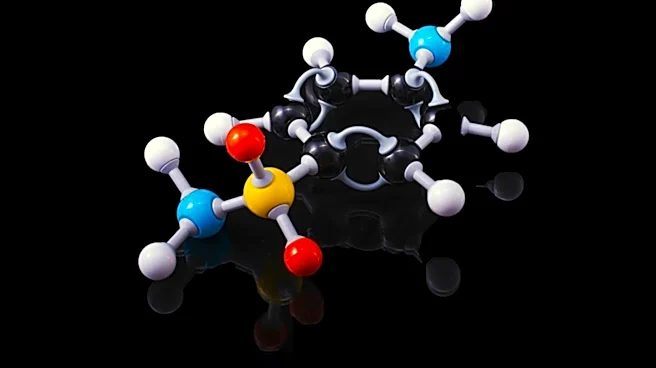
Mandelic acid, an aromatic alpha hydroxy acid, is a compound of considerable importance in the chemical and pharmaceutical industries. Known for its molecular formula C6H5CH(OH)CO2H, this white crystalline solid serves as a crucial precursor in the synthesis of a wide array of drugs and other organic compounds. Its utility extends beyond the laboratory, touching upon biological processes within the human body and even finding applications in cosmetic
treatments, though its role in the latter has seen evolving perspectives. The versatility of mandelic acid stems from its unique chemical structure and reactivity, making it a valuable asset in various scientific and commercial endeavors.
Foundation in Organic Synthesis
The principal use of mandelic acid lies in organic synthesis, where it acts as a fundamental building block for creating more complex molecules. Its structure, featuring both a hydroxyl group and a carboxylic acid group, along with an aromatic ring, provides multiple sites for chemical reactions. This makes it an ideal starting material for synthesizing various pharmaceutical compounds. For instance, mandelic acid played a role in the synthesis of homatropine, where it replaced tropic acid, demonstrating its capacity to be integrated into established synthetic routes for drug production. This highlights its significance in the development and manufacturing of medicines.
Role in Drug Development
Beyond its general use in organic synthesis, mandelic acid is widely employed specifically as a precursor to various drugs. Its chemical properties allow for its transformation into different active pharmaceutical ingredients or intermediates. The ability to modify its structure systematically makes it a valuable component in the drug discovery and development pipeline. This application underscores its direct contribution to healthcare, providing the foundational chemistry for medications that address a range of conditions.
Biological Significance and Metabolism
Mandelic acid is not exclusively a synthetic compound; it also plays a role in biological systems. Derivatives of mandelic acid are naturally formed as a result of the metabolism of adrenaline and noradrenaline. These metabolic processes are carried out by specific enzymes, namely monoamine oxidase and catechol-O-methyl transferase. This biological occurrence indicates that mandelic acid or its related compounds are part of the body's natural biochemical pathways. Furthermore, mandelic acid has been detected in urine, arising from the biodegradation of environmental compounds like styrene and ethylbenzene, showcasing its involvement in detoxification processes.
Considerations in Cosmetic Applications
Historically, mandelic acid has been widely used in cosmetic products, particularly for its perceived effectiveness in treating acne. It was frequently prescribed for this purpose. However, a 2025 literature review in the *Journal of the American Academy of Dermatology* presented an expert panel's recommendation against mandelic acid for acne treatment. The panel noted that while it was known to be effective, it is rarely covered by insurance and is often more costly than other treatments with similar effects, such as vitamin A derivatives. This evolving perspective highlights the dynamic nature of product recommendations, even for compounds with established efficacy, as factors like cost and accessibility come into play.