



The concept of a scoreless innings streak in baseball, where a pitcher prevents opponents from scoring runs over consecutive innings, has long been a measure of pitching dominance. Over the sport's history, several legendary pitchers have etched their names into the record books, with Orel Hershiser's 59 consecutive scoreless innings in 1988 standing as the Major League Baseball (MLB) record. However, this record, and others before it, have been shaped
by different eras, rule interpretations, and the sheer talent of the pitchers involved.
Early Pioneers and the Live Ball Era
Before Hershiser, the record for consecutive scoreless innings was held by Don Drysdale, who pitched 58 consecutive scoreless innings in 1968, a season famously dubbed the "Year of the Pitcher." Drysdale's achievement surpassed Walter Johnson's long-standing record of 55 and two-thirds innings, set in 1913. Johnson's streak had been the MLB record for 55 years and remains the American League record. Jack Coombs also held a significant record before Johnson, with a 53-inning streak.
The "live ball era," which began in 1920, marked a significant shift in baseball, generally favoring hitters more than the preceding dead-ball era. Despite this, Drysdale, Hershiser, and Cristopher Sánchez are the only pitchers to record a 50-inning streak in this era. Walter Johnson and Jack Coombs achieved their 50-inning streaks in earlier periods, highlighting the enduring challenge of such a feat across different baseball environments.
Rule Changes and Record Interpretation
An interesting aspect of these records involves the official rules and their interpretation. Since 1998, the Official Baseball Rules specify that a pitcher does not receive credit for any outs recorded during an inning in which they are charged with an earned or unearned run. This clarification ensures that only truly scoreless innings contribute to the streak. During Orel Hershiser's streak, the Elias Sports Bureau, the official statistician for MLB, changed its criteria for the record for starting pitchers. Previously, fractional innings with one or two outs recorded were included, but the new rule counted only complete scoreless innings.
This rule change meant that while some sportswriters continued to refer to Drysdale's record as 58 and two-thirds innings, the official count focused on full innings. Hershiser's streak, which included only innings pitched in the regular season, was officially recognized as 59 consecutive scoreless innings. This distinction is important when comparing records across different eras and rule sets, ensuring a consistent standard for what constitutes a "scoreless inning" for record-keeping purposes.
Postseason and League-Specific Records
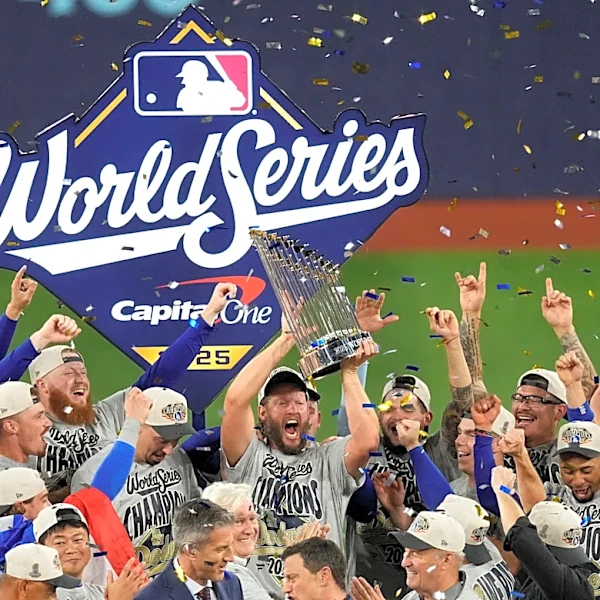
Beyond the regular season MLB record, there are also notable scoreless innings streaks in postseason play and within specific leagues. Mariano Rivera holds the postseason record for consecutive scoreless innings, with 33 and one-third innings. The second-longest postseason streak belongs to Whitey Ford, whose 33 consecutive scoreless innings is a World Series record. Ford's achievement broke Babe Ruth's 43-year-old record of 29 scoreless innings in the World Series. In the National League, Christy Mathewson holds the record with 28 consecutive scoreless innings in the postseason.
Cristopher Sánchez also holds a significant record for the longest streak by a left-handed pitcher, breaking Carl Hubbell's 93-year-old record in June 2026. These various records underscore that while Orel Hershiser's 59-inning streak is the overall MLB regular season benchmark, pitching dominance in preventing runs is celebrated across different contexts and historical periods in baseball.