







Masonry ovens, whether traditional brick structures or modern adaptations, operate on fundamental thermodynamic principles that distinguish them from conventional ovens. Their design is not merely aesthetic but deeply functional, leveraging the properties of heat absorption, retention, and transfer to create a unique cooking environment. Understanding these principles reveals why foods cooked in masonry ovens often possess distinct flavors and textures,
particularly for items like artisan bread and pizza. The interplay of radiant, conductive, and convective heat within these heavy structures is key to their culinary effectiveness.
Heat Absorption and Retention: The Thermal Battery
The core principle behind a masonry oven's performance is its ability to act as a thermal battery. Unlike lightweight modern ovens that primarily circulate hot air, a masonry oven is constructed from dense, fireproof materials such as brick, stone, or clay. These materials are excellent at absorbing and storing a significant amount of thermal energy during the heating phase. When the oven is brought to temperature, its heavy walls soak up heat, building up a substantial energy reserve. This stored heat is then released slowly and consistently over many hours, even after the fire has died down or the external heat source is removed.This slow release of heat provides a stable and intense cooking environment. The sheer mass of the oven ensures that temperatures remain high and even, preventing rapid fluctuations that can occur in less substantial ovens. This sustained heat is crucial for achieving a thorough cook and developing complex flavors, especially in items that require a long baking time or a high initial burst of heat, such as bread with a crisp crust and a well-developed interior crumb.
The Triple Threat: Radiant, Conductive, and Convective Heat
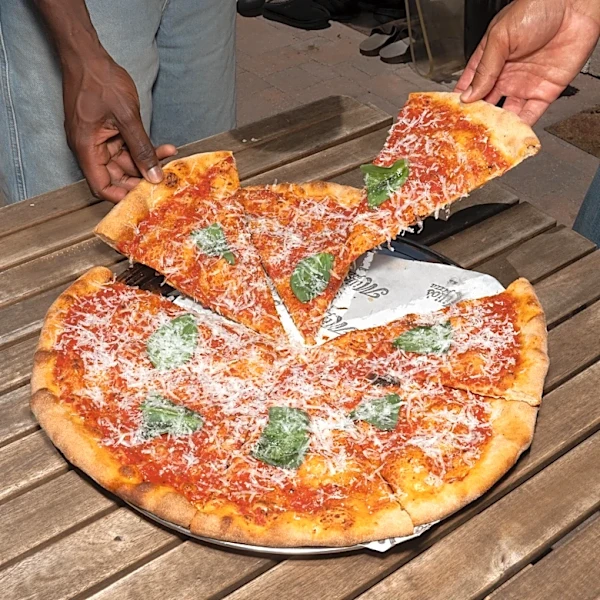
Cooking in a masonry oven benefits from a powerful combination of three heat transfer mechanisms: radiant, conductive, and convective heat. Radiant heat emanates directly from the hot, dense masonry walls and dome, directly cooking the food. This intense, even radiation contributes significantly to browning and crust development, particularly for items placed directly in the oven chamber. Conductive heat is transferred directly from the hot oven floor bricks to the food, which is especially important for pizzas and breads baked without pans. This direct contact heat is responsible for the rapid cooking of the bottom crust, creating a desirable crispness and contributing to the "oven spring" in bread, where the dough experiences a final rapid rise.Convective heat, while present, plays a different role than in forced-air ovens. The enclosed nature of the masonry oven, particularly when food is cooking, traps steam. This supercharged, steamy atmosphere is a form of moist convective heat that prevents the surface of baked goods from drying out too quickly, allowing for maximum expansion and contributing to a more flavorful and chewy crust. This combination of heat transfer methods not only speeds up cooking but also ensures that food is cooked uniformly and develops a rich, complex profile. The ability of the oven to seal in steam is a critical factor in achieving the desired texture and taste in many baked goods.
Modern Insulation and Efficiency
Historically, masonry ovens relied on sheer mass to retain heat. Thicker walls stored more thermal energy, but heat naturally moves from hot to cold, meaning the oven's exterior would eventually reach internal temperatures without proper insulation. A major development in modern masonry oven construction has been the incorporation of insulation to mitigate heat loss and improve efficiency. Effective insulation involves placing a compressive and heat-resistant layer beneath the oven, acting like a mattress, and a blanket-like layer on top. This prevents heat from escaping into the foundation or the surrounding environment.Innovations in insulation include using lightweight concrete slabs made with pumice, perlite, or vermiculite, which can allow the oven to effectively "hang" from its supporting walls, creating an insulating air gap. Other strategies involve high-strength insulative board under the oven floor or combining empty glass bottles with clay and organic matter for a lightweight, insulating base. Above the oven, builders may enclose it with walls filled with perlite, pumice, or vermiculite, or wrap it with mineral wool blankets made from high-temperature resistant rock or clay. These require a protective outer shell, often of reinforced stucco or tile. These modern insulation practices enhance the oven's ability to maintain consistent temperatures for longer periods, making them more efficient and versatile for various cooking applications.