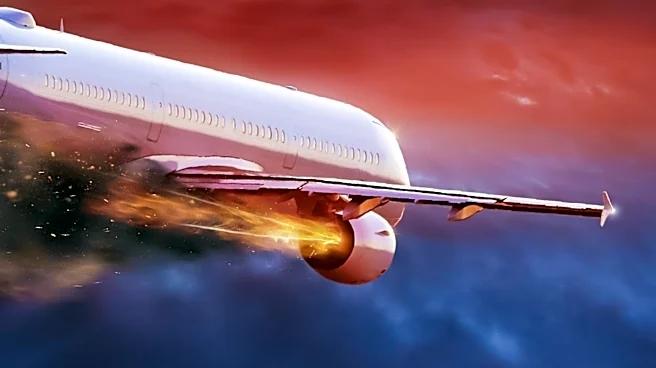










United Airlines Flight 232 is often remembered for the heroic efforts of its crew, but the incident also highlights significant technical challenges. On July 19, 1989, the DC-10 aircraft experienced a catastrophic engine failure that led to a complete loss of flight controls. This article examines the mechanical failures and the technical hurdles that the crew had to overcome during this emergency.
The Engine Failure
The flight began routinely, departing from Denver
with 296 people on board. However, about an hour into the flight, a loud bang was heard, followed by severe vibrations. The number 2 engine, mounted on the tail, had suffered an uncontained failure. The fan blade inside the engine shattered, causing pieces to break through the engine's side.
This explosion was not just a failure of the engine itself but had far-reaching consequences. The debris from the engine severed all three hydraulic lines that controlled the aircraft's flight surfaces. This left the plane without any conventional means of control, a situation that had never been successfully managed in a DC-10 before.
Loss of Hydraulic Systems
The DC-10's design relied heavily on hydraulic systems to operate its control surfaces, such as the ailerons, rudder, and elevators. With all three hydraulic systems compromised, the crew found themselves in a dire situation. The aircraft began to bank uncontrollably to the right and descend.
The loss of hydraulics meant that the pilots could not use the yoke to control the plane's attitude or roll angle. This mechanical failure presented a unique challenge, as the crew had to find alternative methods to stabilize the aircraft. The situation was further complicated by the fact that the DC-10 was cruising at 37,000 feet, leaving little room for error.
Innovative Solutions and Landing
Faced with these technical challenges, the crew had to innovate. They decided to use differential thrust from the remaining engines to control the aircraft. By adjusting the power of the left and right engines, they could influence the plane's direction and altitude.
This method required precise coordination and communication among the crew members. Despite the lack of conventional controls, the crew managed to guide the aircraft towards Sioux City, Iowa, for an emergency landing. The landing was hard, and the plane broke apart, but the crew's efforts significantly reduced the potential loss of life.
The incident of United Airlines Flight 232 underscores the importance of understanding and managing technical failures in aviation. The crew's ability to adapt to the mechanical challenges they faced was crucial in saving many lives and provided valuable insights for future safety improvements.