







Police uniforms in the United States have undergone significant changes since their inception. From the early days of law enforcement to the modern era, these uniforms have evolved to meet the practical needs of officers while also reflecting broader societal trends. This article explores the historical development of police uniforms in the U.S., highlighting key changes and the reasons behind them.
Early Beginnings
The concept of a standardized police uniform in the
United States began in the mid-19th century. Before this period, law enforcement duties were often carried out by volunteer watchmen or elected constables who wore civilian clothing. The first official police uniforms were introduced by the New York City Police Department in 1854. These uniforms consisted of a long navy blue coat with a velvet collar and a blue cap, which were similar to surplus U.S. Army uniforms from the Civil War.
The adoption of uniforms was initially met with resistance from officers who feared public ridicule. However, the need for a recognizable and authoritative presence in the community eventually led to wider acceptance. By 1858, other major cities like Boston and Chicago had followed suit, establishing a trend that would spread across the country.
20th Century Changes
As the 20th century progressed, police uniforms continued to evolve. The early 1900s saw the introduction of collared shirts, neckties, and military-style jackets with open collars. These changes were partly influenced by the need for practicality and ease of movement, as well as the desire to project a professional image.
During the 1930s, officers began wearing their equipment on a Sam Browne belt outside their coats, allowing for easier access to their gear. This period also saw the decline of the custodian helmet, which was replaced by peaked hats or campaign hats, depending on the department. The shift in headgear was part of a broader move towards more practical and less militaristic attire.
Modern Developments
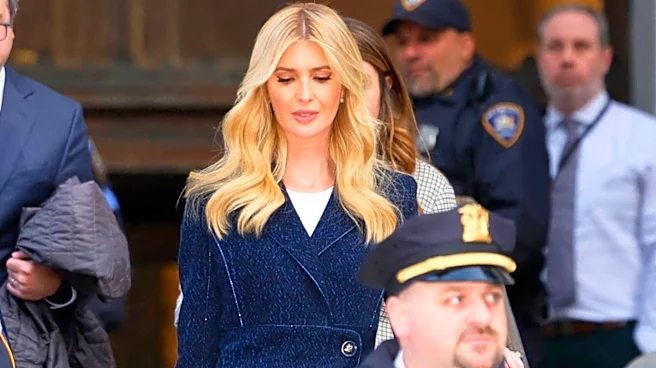
In recent decades, police uniforms have continued to adapt to the changing needs of law enforcement. Today, most large police departments provide officers with two types of uniforms: tactical (Class B) and traditional (Class A). Tactical uniforms, similar to the U.S. Army's former Battle Dress Uniform, are used for patrol and physically demanding duties, while traditional uniforms are reserved for ceremonial functions and high-profile events.
The color of police uniforms also varies, with municipal police typically wearing blue or black, and sheriff's deputies often donning green, brown, or khaki. The choice of color is influenced by factors such as visibility and tradition. Despite these variations, the core purpose of police uniforms remains the same: to establish a visible and authoritative presence in the community.
Overall, the evolution of police uniforms in the United States reflects a balance between practicality, professionalism, and the need to adapt to societal changes. As law enforcement continues to evolve, so too will the uniforms that represent it.