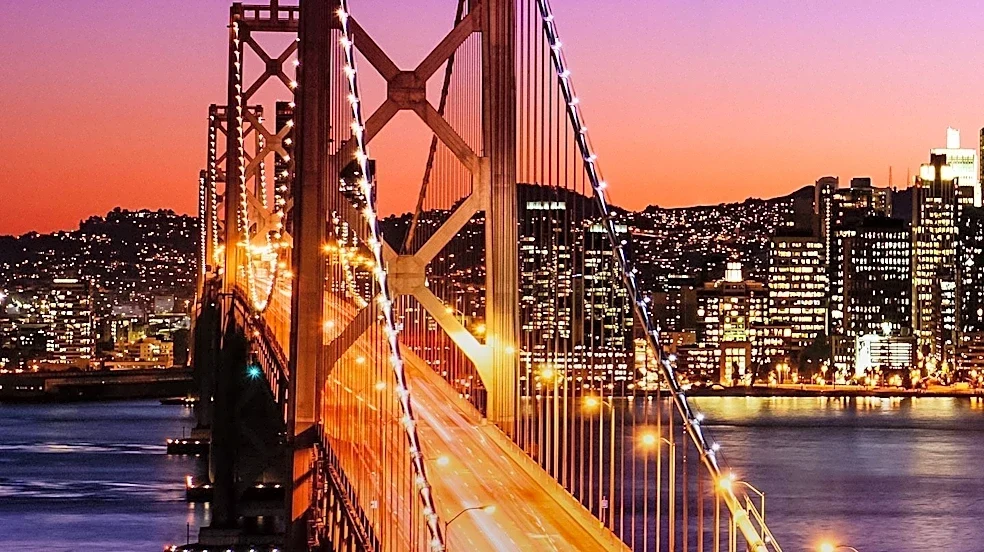









Before the iconic Golden Gate Bridge connected the San Francisco Peninsula with Marin County, travel between these two points was primarily by ferryboat. This journey, though only about 20 minutes, highlighted San Francisco's unique position as the largest American city still largely reliant on ferry services for northern access. The idea of a bridge was fraught with challenges, as many experts doubted its feasibility. The strait, known as the Golden Gate,
presented formidable obstacles: strong water currents, a significant depth of 102 meters in the middle, and persistent wind and fog that complicated any construction efforts. These natural elements made the prospect of building a bridge seem daunting, if not impossible, to many at the time.
The Initial Design Challenge and Joseph Strauss's Vision
In 1916, San Francisco's city engineer initiated a call for proposals, inviting engineers to submit their ideas for a bridge across the Golden Gate. Among those who responded was Joseph Strauss, who put forth a design for a bridge estimated to cost a relatively modest $17 million. However, Strauss's initial design was widely criticized for its aesthetic shortcomings, with many deeming it "ugly." Recognizing the need for a more appealing structure, local authorities urged Strauss to revise his plans and collaborate with other experts. He agreed to this condition, leading to a pivotal moment in the bridge's development.
Collaboration and the Suspension Bridge Concept
Working alongside other specialists, most notably architect Irving Morrow, Joseph Strauss embarked on a redesign. This collaborative effort resulted in the adoption of the suspension bridge concept, which is characterized by tall towers supporting long cables that, in turn, hold up or "suspend" the bridge deck. This design not only addressed the aesthetic concerns but also provided a viable engineering solution for spanning the challenging Golden Gate Strait. The name "Golden Gate Bridge" itself derives from its location, as it crosses this very strait, the body of water separating the San Francisco peninsula from the Marin County peninsula.
Financial Hurdles and Economic Support
By 1930, residents in both San Francisco and Marin County had given their approval for local governments to issue bonds to the public, aiming to raise the necessary funds for the bridge's construction. The projected cost for the new bridge was $30.1 million. However, the timing of this fundraising effort coincided with a period of immense economic instability, specifically the Wall Street Crash of 1929. This made it exceedingly difficult for the governments to sell the bonds to the public. In a crucial intervention, the Bank of America, which had its headquarters in San Francisco, stepped forward and agreed to purchase all the bonds. This significant financial commitment was made with the intention of supporting the local economy during a challenging era, ultimately enabling the Golden Gate Bridge project to move forward despite the widespread economic downturn.