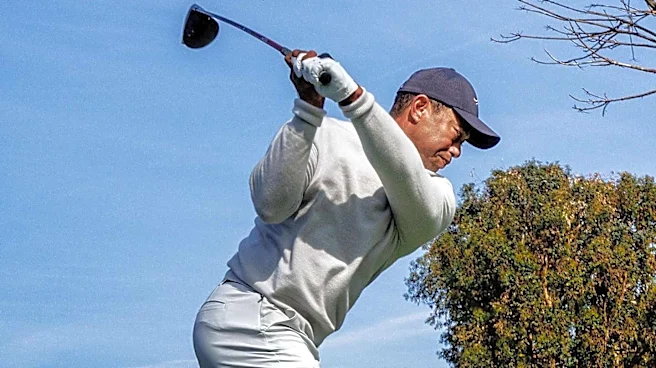

The U.S. Senior Open has been a cornerstone of senior golf since its inception in 1980. As one of the five major championships in senior golf, it has undergone significant changes over the years, reflecting
the evolving nature of the sport and its participants. This article explores the historical development of the U.S. Senior Open, highlighting key changes and milestones.
The Early Years and Initial Format
The U.S. Senior Open was introduced in 1980 with a lower age limit of 55, catering to the growing interest in senior golf. However, by the second edition in 1981, the age limit was lowered to 50, aligning with the standard for men's senior professional golf tournaments. This change allowed a broader range of senior golfers to participate, increasing the competitiveness and appeal of the event.
Initially, the tournament featured an 18-hole playoff format, which was used until 1991. This format provided a rigorous test of skill and endurance, ensuring that only the most capable golfers could claim victory. Jack Nicklaus, a legendary figure in golf, won the final 18-hole playoff, cementing his status as a formidable competitor in senior golf.
Changes in Playoff Format and Financial Growth
Over the years, the U.S. Senior Open has seen changes in its playoff format. In 2002 and 2014, the format was modified to a three-hole aggregate playoff, adding a strategic element to the competition. In 2018, the format was further reduced to two aggregate holes followed by sudden death, increasing the excitement and unpredictability of the tournament.
Financially, the U.S. Senior Open has grown significantly. Initially, it had the highest purse of any senior tour event until the Posco E&C Songdo Championship in South Korea. By 2016, the purse was $3.75 million, with the champion earning $675,000. In 2017, the purse increased to $4 million, offering a winner's share of $720,000, attracting top senior golfers from around the world.
Legacy and Impact on Senior Golf
The U.S. Senior Open has played a crucial role in shaping the landscape of senior golf. It has provided a platform for seasoned golfers to compete at the highest level, celebrating their skill and longevity. Notable champions like Bernhard Langer, who became the oldest winner in 2023, exemplify the tournament's impact on senior golf.
As the U.S. Senior Open continues to evolve, it remains a vital part of the golfing community, offering opportunities for senior golfers to showcase their talents and compete in a prestigious event. Its legacy is marked by memorable moments and legendary players, ensuring its place in the history of golf.