










Chinese cuisine has not only captivated the palates of those within its borders but has also made a significant impact on global food cultures. As Chinese communities have spread across the world, they have brought with them their rich culinary traditions, which have been adapted and embraced by various cultures. This global influence is evident in the diverse range of Chinese-inspired dishes found in countries far from China.
Chinese Cuisine in the Americas
In the United States,
Chinese cuisine has evolved into a distinct style known as American Chinese cuisine. This adaptation often features dishes that are sweeter and less spicy than their traditional counterparts, catering to local tastes. Iconic dishes like General Tso's chicken and chop suey have become staples in American Chinese restaurants, showcasing the fusion of Chinese cooking techniques with American ingredients and preferences.
Similarly, in Latin America, Chinese cuisine has blended with local flavors to create unique culinary experiences. In Peru, for example, the fusion of Chinese and Peruvian cuisines has given rise to Chifa, a popular style of cooking that incorporates ingredients like soy sauce and ginger with traditional Peruvian staples such as potatoes and corn.
The Spread of Chinese Cuisine in Asia
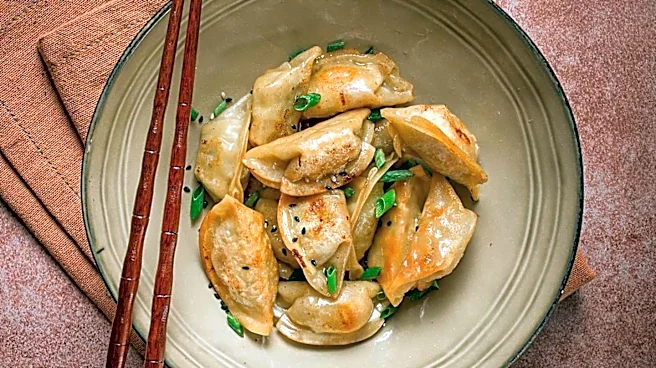
Chinese cuisine has also left a lasting mark on neighboring Asian countries. In Japan, Chinese dishes have been adapted to suit local tastes, resulting in Japanese Chinese cuisine, or chūka ryōri. This style of cooking includes popular dishes like ramen and gyoza, which have become integral parts of Japanese food culture.
In Southeast Asia, Chinese culinary influences are evident in the street food culture of countries like Thailand and Malaysia. Dishes such as Hainanese chicken rice and char kway teow reflect the blending of Chinese cooking techniques with local ingredients and flavors, creating a vibrant and diverse food scene.
A Culinary Legacy
The global influence of Chinese cuisine is a testament to its versatility and appeal. As Chinese communities have settled in different parts of the world, they have adapted their culinary traditions to suit local tastes while maintaining the essence of their heritage. This adaptability has allowed Chinese cuisine to thrive and evolve, creating a rich tapestry of flavors that continues to delight and inspire food lovers worldwide.
Through its global journey, Chinese cuisine has not only enriched the culinary landscapes of other countries but has also fostered cultural exchange and understanding. As people continue to explore and enjoy Chinese-inspired dishes, the legacy of this ancient culinary tradition lives on, bridging cultures and bringing people together through the universal language of food.