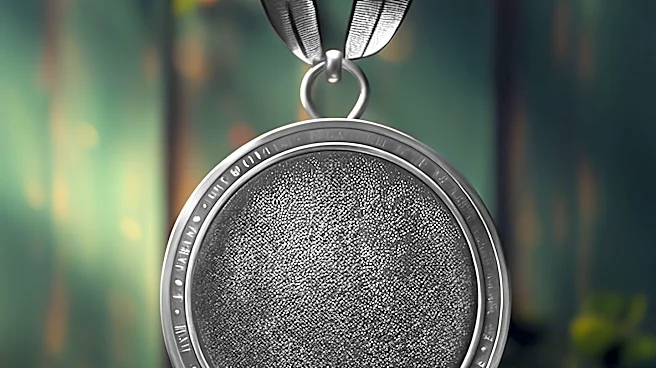






A locket is a distinctive type of pendant designed with a hidden space, typically opening to reveal a small item such as a photograph or a lock of hair. These pieces of jewelry are often exchanged as gifts, marking significant life events like Valentine's Day, christenings, and weddings. Historically, lockets frequently housed miniature portraits, adding to their personal and sentimental value. Their enduring popularity stems from their dual nature
as both decorative adornments and intimate repositories of cherished memories.
Design and Materials of Lockets
Lockets are commonly worn suspended from chains around the neck, though they can also be incorporated into charm bracelets. They come in a variety of shapes, including classic ovals, romantic hearts, geometric prisms, and perfect circles, offering diverse aesthetic choices. The materials used in their creation often reflect their status as precious jewelry, with gold and silver being common choices. This use of valuable metals underscores their significance as items meant to be treasured and passed down.
While most lockets are designed to hold one or two photographs, some specialized versions can accommodate up to eight. The way these items are secured within the locket varies; photographs are typically held in place by clear plastic inserts, ensuring they remain protected and visible when the locket is opened. This careful construction highlights the locket's primary function as a secure and private holder for personal mementos.
Sentimental and Historical Significance
Beyond their aesthetic appeal, lockets carry deep sentimental weight. They often contain a photograph of the person who gifted the locket, creating a continuous connection between the giver and the wearer. During the Victorian Era, lockets gained particular prominence, especially in the context of funerals, where they served as memento mori. Around 1860, memento lockets began to replace mourning rings as the preferred form of mourning jewelry, offering a tangible way to keep the memory of a loved one close.
British author Jilly Cooper, for instance, reportedly wore a locket containing a photograph of one of her mongrels after their passing, illustrating the profound personal attachment people can form with these items. This practice underscores the locket's role as a personal shrine, holding memories that are both private and deeply meaningful to the wearer. The ability to carry a tangible piece of a loved one, whether a photograph or a lock of hair, transforms a simple piece of jewelry into a powerful symbol of affection and remembrance.
Variations and Unique Functions
Not all lockets are designed to be opened. Keepsake lockets can feature a glass pane at the front, allowing the contents to be viewed without needing to open the piece. This design is particularly useful for delicate items like locks of hair, which might otherwise fall out or be lost if the locket were frequently opened. This variation maintains the locket's function as a display for cherished items while adding a layer of practicality.
Another unique type is the perfume locket, often crafted in a filigree style with a small central cushion. This cushion was intended to absorb a few drops of perfume. Perfume lockets were especially popular in eras when personal hygiene was less advanced, serving to mask odors with sweet-smelling fragrances. These functional lockets highlight how jewelry can adapt to societal needs and customs, offering both beauty and utility. Even rare military uniform locket buttons from World War I and World War II have been found, containing miniature working compasses, showcasing the diverse and sometimes unexpected applications of the locket's design.