






Hurricane Rita, a powerful tropical cyclone that formed in September 2005, left a trail of destruction across the Gulf of Mexico, with Louisiana bearing a significant brunt of its force. Less than a month after Hurricane Katrina, Rita's arrival exacerbated existing vulnerabilities and inflicted widespread damage, particularly along the state's fragile coastline. While some areas experienced less severe impacts than initially feared, the storm surge
and wind damage proved catastrophic for many communities, leading to extensive flooding and infrastructure loss.
Coastal Communities Erased by Storm Surge
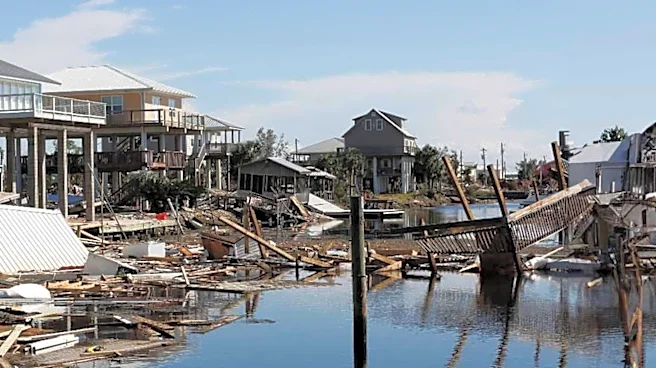
One of the most significant impacts of Hurricane Rita in Louisiana was the immense storm surge that inundated low-lying communities along the entire coast. This surge, reaching up to 18 feet (5.5 meters) in southwestern Louisiana, proved devastating. Coastal parishes, already vulnerable, experienced extensive damage, with several communities essentially destroyed. In Cameron Parish, for instance, the towns of Holly Beach, Hackberry, Cameron, Creole, and Grand Chenier were virtually wiped out by the powerful waters.
The sheer force of the storm surge not only leveled structures but also reshaped the landscape of these coastal areas. The destruction of these communities highlights the extreme vulnerability of Louisiana's coastline to powerful hurricanes and the long-term challenges faced in recovery and rebuilding efforts. The scale of the damage meant that many residents lost not only their homes but also their entire communities, underscoring the profound human cost of such natural disasters.
Exacerbating Katrina's Aftermath and Inland Wind Damage
Hurricane Rita's timing, less than a month after Hurricane Katrina, compounded the challenges faced by Louisiana. The storm surge from Rita worsened effects caused by Katrina, notably topping the hurriedly-repaired levees in New Orleans that had been damaged by the earlier hurricane. This secondary impact underscored the interconnectedness of these events and the difficulty of recovery when one disaster follows another so closely.
Beyond the immediate coastal flooding, Rita also brought severe impacts further inland, primarily due to its strong winds. Cities like Lake Charles, Louisiana, along with surrounding communities, suffered extensive wind damage. This wind damage extended across Southwest Louisiana, affecting parishes and counties that were not directly on the coast but still within the hurricane's path. The combination of storm surge along the coast and powerful winds inland contributed to an estimated two million people losing electricity across the affected regions, further disrupting daily life and recovery efforts.
Economic and Infrastructure Losses
The economic toll of Hurricane Rita on Louisiana and the broader United States was substantial. Across the United States, the hurricane caused approximately $18.5 billion in damage. A significant portion of this impact was felt in Louisiana, particularly in the energy sector. In the Gulf of Mexico, Rita destroyed 66 oil platforms and four drilling rigs, while also severely damaging 32 platforms and 10 rigs. This disruption halted the entirety of the country's Gulf oil production and 80% of its natural gas production, demonstrating the far-reaching economic consequences of the storm.
The destruction of critical energy infrastructure not only represented a direct financial loss but also had broader implications for national energy supplies. The extensive damage to both residential areas and industrial facilities presented a massive challenge for recovery and rebuilding, requiring significant resources and time. The long-term effects of these infrastructure losses continued to be felt as the region worked to restore its vital industries and communities.