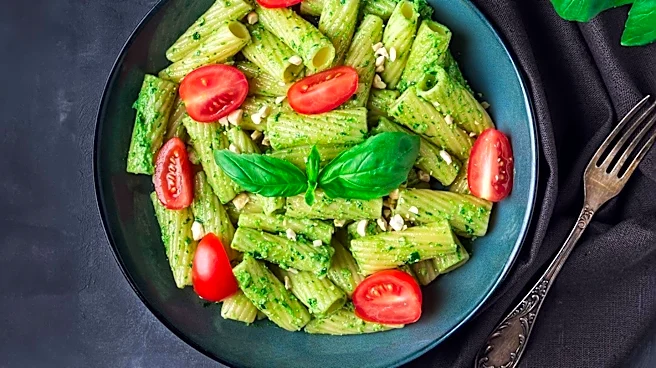







Pesto alla trapanese, also known as pesto alla siciliana, offers a unique Sicilian twist on the traditional Italian sauce. Originating from the province of Trapani, this variation is distinct in its ingredients and preparation. With its rich flavors and historical roots, pesto alla trapanese showcases the culinary diversity of Sicily. This article explores the characteristics, history, and cultural significance of this flavorful sauce.
Ingredients and Preparation
Pesto alla trapanese
is characterized by its use of garlic, basil, almonds, grated pecorino siciliano, tomatoes, salt, and black pepper, all bound together with extra virgin olive oil. Unlike the more common pesto genovese, pesto alla trapanese contains considerably less basil, giving it a unique flavor profile. Sometimes referred to as pesto rosso or red pesto, this variation stands out due to its vibrant color and rich taste.
The preparation of pesto alla trapanese involves crushing the ingredients together, similar to the traditional method used for pesto alla genovese. This process highlights the importance of fresh, high-quality ingredients, which are essential to achieving the sauce's distinctive flavor.
Historical Roots
The history of pesto alla trapanese is intertwined with the maritime traditions of Sicily. Genoese ships, traveling from the east, introduced the concept of agliata, a garlic and walnut-based sauce, to the port of Trapani. Local sailors adapted this recipe using the products of their land, notably tomatoes and almonds, resulting in the creation of pesto alla trapanese.
This adaptation reflects the influence of trade and cultural exchange on Sicilian cuisine. The dish has been recognized as a prodotto agroalimentare tradizionale (PAT) by the Italian Ministry of Agricultural, Food and Forestry Policies, underscoring its significance in regional culinary heritage.
Cultural Significance
Pesto alla trapanese is more than just a sauce; it represents the rich culinary traditions of Sicily. The use of local ingredients like almonds and tomatoes highlights the region's agricultural bounty. This variation of pesto is often served with busiati, a traditional Sicilian pasta, further emphasizing its cultural roots.
The dish's popularity extends beyond Sicily, showcasing the adaptability and appeal of regional Italian cuisine. Pesto alla trapanese serves as a testament to the creativity and resourcefulness of Sicilian cooks, who have transformed a simple sauce into a symbol of their culinary identity.