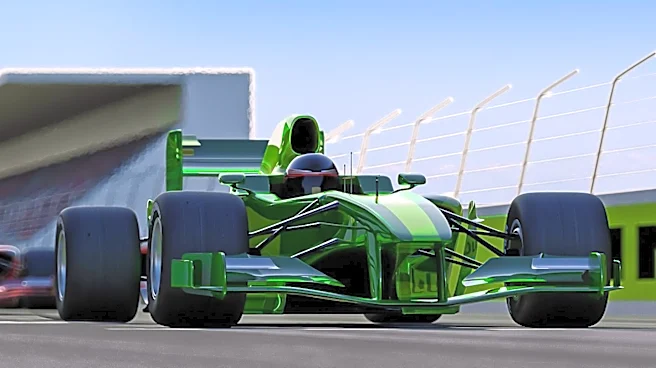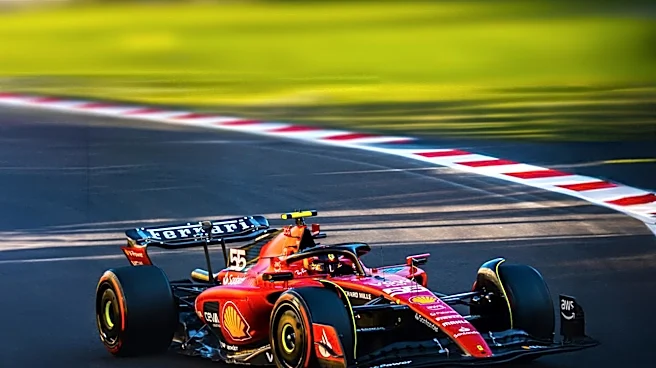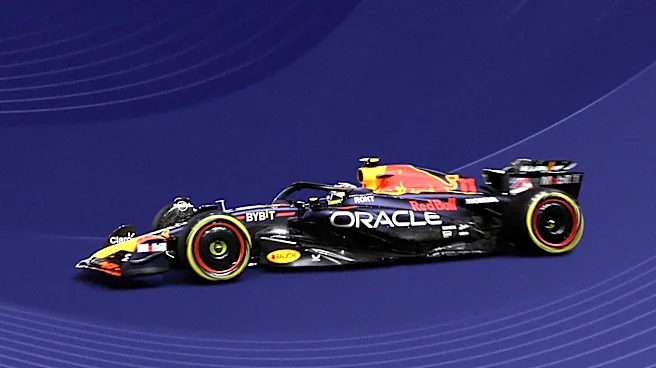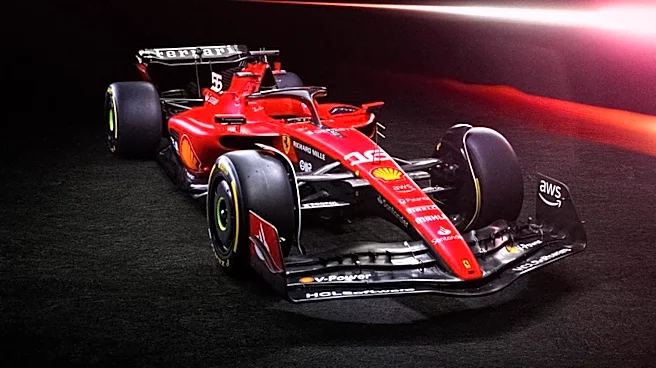



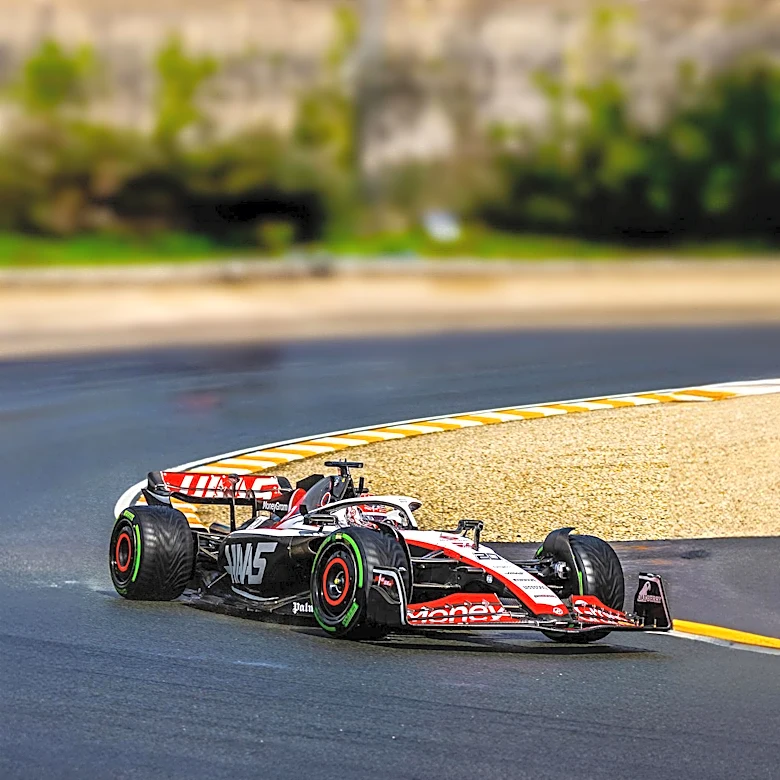
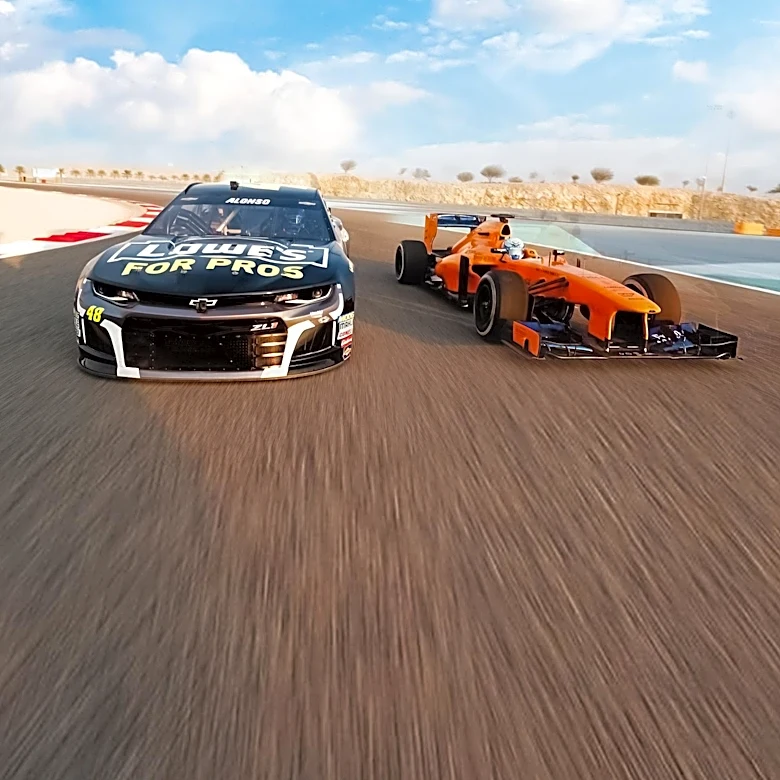

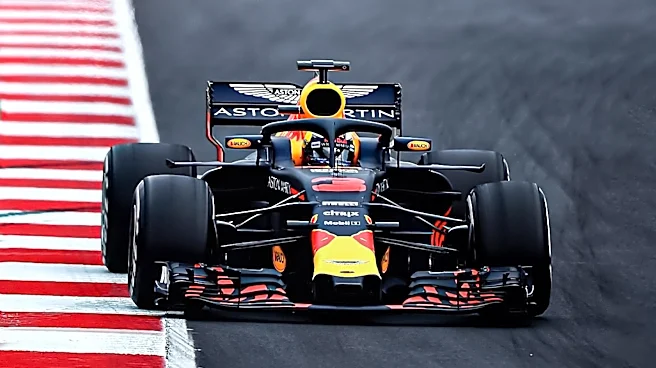
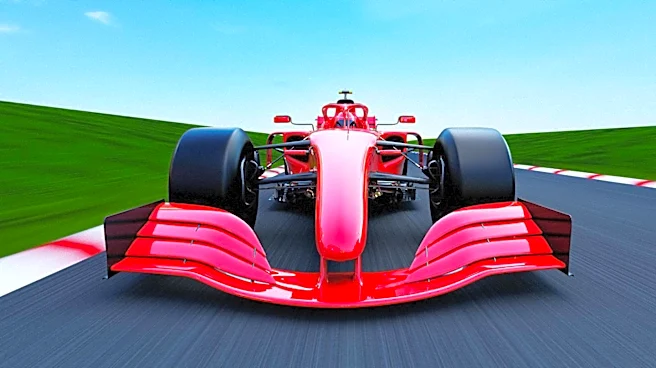
Ground effect is not only a crucial concept in aviation but also plays a significant role in automotive design, particularly in racing cars. By harnessing the principles of ground effect, engineers can create vehicles with increased downforce, improving grip and cornering speeds. This article explores how ground effect is applied in car design and its impact on racing performance.
The Role of Ground Effect in Racing Cars
In the world of racing, achieving higher cornering speeds is a top priority
for designers. Ground effect provides a means to increase downforce without the added drag associated with traditional wings. By understanding the ground as part of the aerodynamic system, designers can enhance the vehicle's performance.
Ground effect in cars is achieved through underbody tunnels and floor design. These features create a low-pressure area under the car, effectively sucking it towards the ground. This increased downforce allows the car to maintain better traction and stability, especially at high speeds and during sharp turns.
Historical Development of Ground Effect in Cars
The concept of ground effect in car design gained prominence in the mid-1960s. Initially, designers focused on using wings to increase downforce. However, as understanding of aerodynamics evolved, attention shifted to the car's underbody and skirts to maximize ground effect.
One of the pioneers in this field was Jim Hall, who developed the Chaparral cars. His 1970 Chaparral 2J, known as the "sucker car," used fans to create a vacuum under the car, enhancing ground effect. Although it faced regulatory challenges, the concept paved the way for future innovations in racing car design.
Challenges and Regulations
While ground effect offers significant performance benefits, it also presents challenges. The increased downforce can lead to "porpoising," a phenomenon where the car bounces due to fluctuating aerodynamic forces. This can affect handling and driver control.
To address safety concerns, many racing series have implemented regulations to limit the effectiveness of ground effect. For example, Formula One and IndyCar have specific rules governing the design of underbody components and the use of skirts. These regulations aim to balance performance with safety, ensuring that cars remain controllable at high speeds.
In conclusion, ground effect is a vital aspect of automotive design, particularly in racing. By leveraging this aerodynamic principle, engineers can enhance vehicle performance, achieving higher speeds and better handling. However, the challenges and regulations associated with ground effect highlight the need for careful design and innovation in the pursuit of racing excellence.