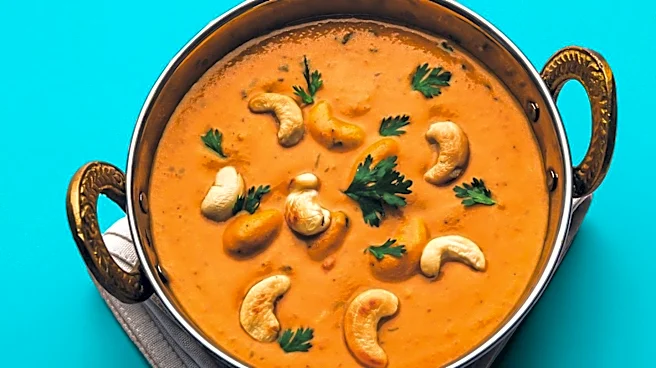



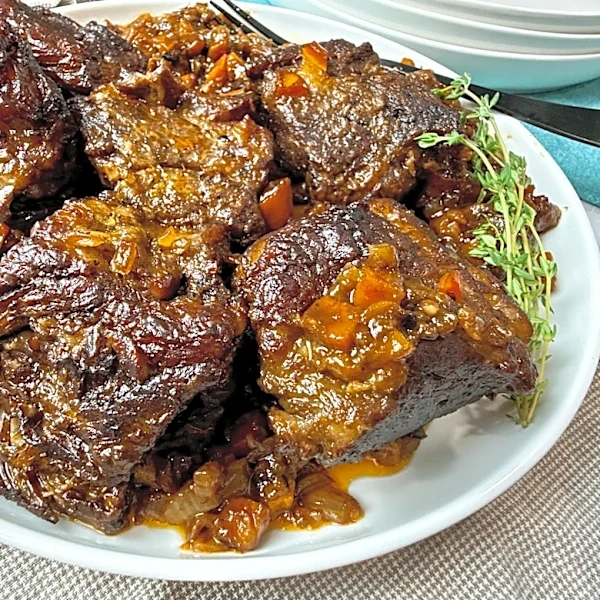




Curry, a dish known for its spicy sauce, has a rich history that spans continents and cultures. Originating in Indian cuisine, curry has been adapted and embraced by various countries, each adding its unique twist. This article explores the historical journey of curry, highlighting its transformation from a traditional Indian dish to a global culinary phenomenon.
The Indian Origins of Curry
Curry's roots can be traced back to the Indian subcontinent, where it was initially a dish
with a spicy sauce. The term "curry" is believed to have been derived from the Dravidian language family, possibly from the Tamil word "kari," which means a spiced mixture with fish, meat, or vegetables eaten with rice. In India, the preparation of curry involves frying spices in oil or ghee to create a paste, which is then combined with a broth or coconut milk.
The Indian version of curry is known for its rich and complex flavors, achieved through a blend of spices such as coriander, turmeric, cumin, and chili peppers. These spices are often homemade, allowing for regional variations and personal preferences. The diversity of Indian curry is reflected in the variety of dishes, each with its own unique name and preparation method.
Curry's Introduction to the West
Curry made its way to the West through the British East India Company in the 18th century. Indian merchants sold a concoction of spices, similar to garam masala, to British traders, leading to the creation of curry powder. This commercially prepared spice mix allowed the British to replicate the flavors of Indian curry back home.
In Britain, curry became a popular dish, with some types adopted directly from India and others modified to suit British tastes. The British version of curry often included ingredients like coriander, ginger, and black peppercorns, which were considered standard curry spices at the time. Curry was first served in British coffee houses in 1809, marking the beginning of its integration into British cuisine.
Curry's Global Adaptation
As curry spread beyond India and Britain, it was adapted by various cultures, each adding its own twist. In Southeast Asia, curry often contains a spice paste and coconut milk, while in China and Korea, curries are based on commercial curry powder. Japanese curry, known as karē, is a popular dish that includes a sauce made from spices and vegetables, often served with rice.
The global journey of curry is a testament to its versatility and appeal. From its Indian origins to its adaptation in countries around the world, curry has become a beloved dish that continues to evolve. Its ability to blend with different culinary traditions while retaining its core essence is what makes curry a truly global dish.