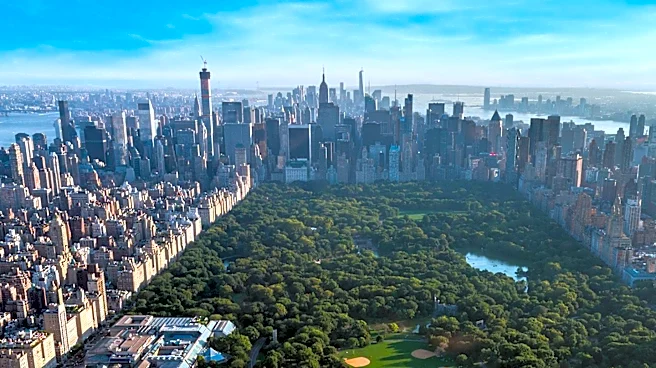





Central Park, a vast green oasis in the heart of Manhattan, New York City, has a rich history that dates back to the mid-19th century. This iconic park, covering 843 acres, was designed to provide a natural retreat for the city's residents. The park's development was a monumental task that involved significant planning, construction, and transformation of the landscape. This article delves into the historical timeline of Central Park, highlighting
key milestones and the visionaries behind its creation.
The Vision and Initial Planning
The idea for Central Park emerged in the early 1850s when New York City was rapidly expanding. The need for a large public park became apparent as the city's population grew. In 1853, the New York State Legislature designated a 2.8 square kilometer area for the park, stretching from 59th to 106th Street and between Fifth and Eighth Avenues. This decision marked the beginning of a transformative project aimed at creating a green space for public enjoyment.
In 1857, a design competition was held to determine the layout of the park. The winning design, known as the Greensward Plan, was submitted by Frederick Law Olmsted and Calvert Vaux. Their vision for Central Park was inspired by European parks and aimed to create a democratic space accessible to all citizens. Olmsted and Vaux's design emphasized naturalistic landscapes, with separate areas for different activities, including walking, horseback riding, and leisure.
Construction and Challenges
The construction of Central Park was a massive undertaking that began in 1857 and lasted until 1869. The site chosen for the park was initially a challenging terrain, characterized by swamps, rocky outcrops, and scattered settlements. The project required the removal of 300,000 cubic meters of rock and the drainage of marshy areas. Additionally, three million cubic meters of soil were brought in to shape the park's landscape.
The construction process was labor-intensive, with 1,500 workers toiling for long hours to bring Olmsted and Vaux's vision to life. Despite the challenges, the project progressed steadily, transforming the once inhospitable land into a picturesque park. The construction of Central Park was not without its difficulties, including disagreements between Olmsted and the Central Park Commission, which led to his temporary removal from the project.
Completion and Legacy
Central Park was officially completed in 1869, although it continued to evolve in the following years. The park quickly became a popular destination for New Yorkers, offering a respite from the bustling city life. Its design, with meandering paths, open meadows, and scenic vistas, provided a harmonious blend of nature and urbanity.
The legacy of Central Park extends beyond its physical beauty. It set a precedent for urban park design in the United States and influenced the development of public parks across the country. Today, Central Park remains a cherished landmark, attracting millions of visitors annually and serving as a testament to the vision and perseverance of its creators.