



The Launch Control Center (LCC) at NASA's Kennedy Space Center is a pivotal facility in the realm of space exploration. This four-story building is responsible for managing the launches of spacecraft from the Kennedy Space Center Launch Complex 39. With its advanced technology and strategic location, the LCC plays a crucial role in ensuring the success of NASA's missions.
Structure and Function
The LCC is strategically attached to the southeast corner of the Vehicle Assembly
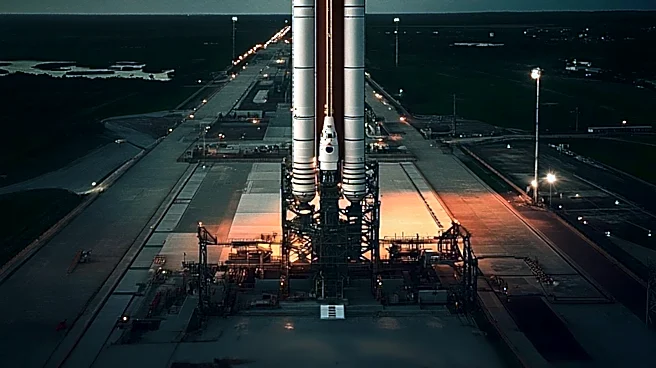
Building, providing easy access to launch vehicles. It houses offices, telemetry, tracking, and instrumentation equipment, all essential for monitoring and controlling launches. The facility is equipped with several control rooms known as "firing rooms," where launch operations are supervised.
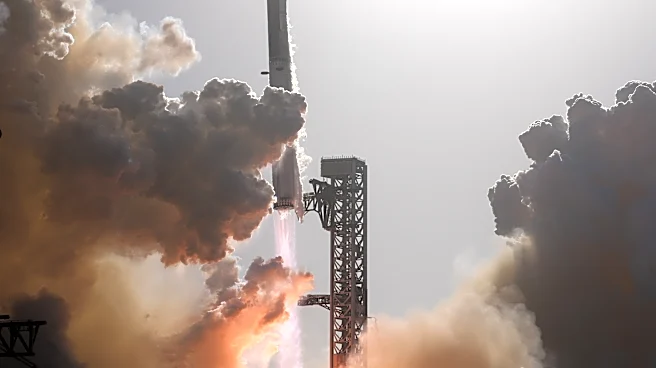
Firing rooms are the nerve centers of the LCC, where controllers oversee pre-launch checks and manage the booster and spacecraft. Once a rocket clears the launch tower, control is transferred to the mission's mission control center, such as the Christopher C. Kraft Jr. Mission Control Center in Houston, Texas. This seamless transition ensures that every aspect of the mission is meticulously managed.
Historical Significance
The LCC has been instrumental in numerous historic space missions, including the Apollo era and Space Shuttle launches. Firing Room 2, for instance, was a key component during the Apollo missions, while Firing Room 1 was configured for Space Shuttle launches. The facility has undergone extensive renovations to accommodate evolving technologies and mission requirements.
In recent years, the LCC has adapted to new partnerships, such as leasing Firing Room 4 to SpaceX for their launch operations at Launch Complex 39A. This collaboration highlights the LCC's flexibility and its ongoing contribution to the advancement of space exploration.
Future Prospects
As space exploration continues to evolve, the LCC remains at the forefront of innovation. With its state-of-the-art equipment and strategic partnerships, the facility is poised to support future missions that push the boundaries of human exploration. The LCC's role in managing launches is crucial to ensuring the safety and success of these missions.
In conclusion, NASA's Launch Control Center is a vital component of the space exploration infrastructure. Its advanced capabilities and historical significance make it an indispensable asset in the quest to explore the cosmos. As technology advances, the LCC will continue to play a pivotal role in shaping the future of space travel.