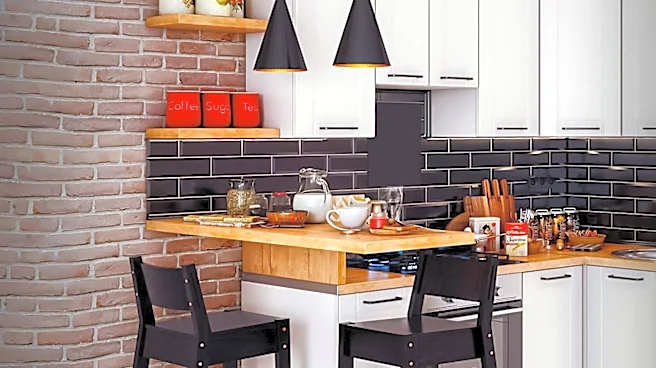




The galley kitchen design is a popular layout known for its efficiency and space-saving qualities. This design is not only prevalent in homes but also in ships and aircraft, where space is at a premium. The galley kitchen's evolution reflects its adaptability to different environments and its enduring appeal in maximizing functionality within limited spaces.
Origins and Characteristics
The term "galley" originally referred to the kitchen area on a ship, where space is often restricted.
The design typically features longitudinal units and overhead cabinets, making the best use of the available space. This layout is particularly suited to the rolling and heaving nature of ships, with gimballed stoves to prevent spills and bars to protect cooks from falling against hot surfaces. The galley kitchen's design is all about efficiency, allowing for maximum storage and minimal movement between units.
In household settings, the galley kitchen design is characterized by a continuous array of units without a kitchen table, often arranged in two facing lines or a U-shape. This setup increases storage by utilizing vertical space, with hanging pots, dish racks, and ceiling-hung cabinets being common features. The design's focus on efficiency and space optimization makes it a popular choice for small homes and apartments.
Adaptation in Aviation
The concept of the galley kitchen was adapted for use in aviation during the early 20th century. The first airplane kitchen was patented in 1930 by Werner Sell of Germany. By 1955, all Lufthansa commercial planes were equipped with a Sell galley. These galleys not only serve and store food and beverages but also include flight attendant jumpseats and emergency equipment storage. The design's adaptability to the confined spaces of aircraft highlights its versatility and practicality.
Aircraft galleys have evolved to incorporate the airline service trolley system, which is now a familiar feature in commercial aviation. This system allows for efficient service and storage, further emphasizing the galley kitchen's focus on functionality and space management.
Influence and Legacy
The galley kitchen design has had a significant impact on modern kitchen layouts, particularly in urban environments where space is limited. Its emphasis on efficiency and practicality has influenced the development of other compact kitchen designs, such as the Frankfurt kitchen, which was the first mass-produced galley kitchen design.
The galley kitchen's legacy is evident in its continued popularity and adaptability. Whether on a ship, in an aircraft, or in a home, the galley kitchen remains a testament to the importance of efficient design in maximizing functionality within limited spaces. Its evolution and enduring appeal demonstrate the timeless nature of this practical and versatile kitchen layout.