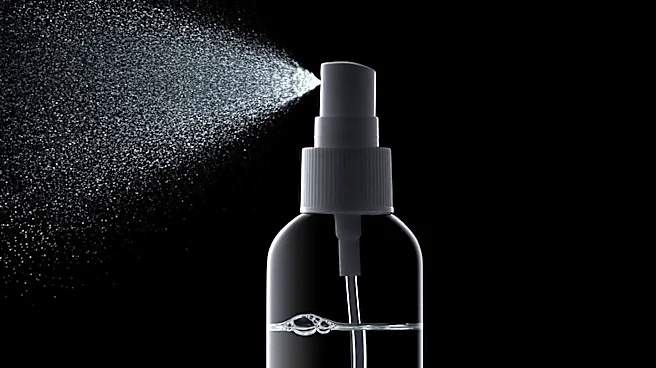
Airbrush makeup represents a sophisticated method of cosmetic application, distinguishing itself from traditional techniques through its use of a specialized machine. At its core, an airbrush system employs a compressor to generate airflow, which is then directed through a hose to a trigger-controlled spray painting gun. This setup allows for the precise atomization of makeup into an extremely fine mist, which is then sprayed onto the skin. The pressure
of the airbrush can be adjusted, enabling artists to achieve various effects, from lighter, sheer coverage to heavier, more detailed styles. This mechanical precision is what underpins the artistry of airbrush makeup.
Understanding Airbrush System Components
A typical airbrush system consists of several key components. The compressor is vital, as it creates the necessary airflow. This air travels through a hose to the airbrush gun itself, which features a trigger for controlling the spray. The ability to adjust air pressure is crucial for adapting to different makeup types and desired outcomes. For instance, a lower PSI (pounds per square inch) is often preferred for delicate areas like the face and eyes, while a higher PSI can be more efficient for full body applications, such as covering blemishes or applying sunless tanning solutions. Systems designed for personal use are generally smaller and operate at lower pressures compared to professional-grade equipment.
Techniques for Flawless Application
The application of airbrush makeup is a nuanced process that relies on specific techniques to achieve its characteristic flawless finish. Artists typically apply makeup by layering several passes, gradually building coverage and allowing for subtle adjustments. When applying foundation, for example, between 6-12 drops of makeup are sprayed onto the face from a distance of 6-12 inches. This method creates millions of tiny dots on the skin that, when connected and layered, form a thin, light, and barely noticeable net-like layer. Airbrush makeup artists often use either a circular motion or a forward-back motion with the airgun to ensure even distribution.
Dual-Action vs. Single-Action Airbrushes
Airbrushes come in different types, primarily categorized by their trigger action: single-action and dual-action. A dual-action airbrush offers greater control, allowing the user to regulate both airflow and makeup release simultaneously. By depressing the trigger, air is released, and by drawing it backward, makeup is dispensed. This enables artists to use air as a guide before applying makeup and to dry layers after application. A technique known as 'back-bubbling' can also be used to mix pigments directly in the makeup cup. In contrast, a single-action airbrush is simpler to use, as depressing the trigger releases a fixed ratio of makeup to air. To achieve different levels of coverage or detail with a single-action airbrush, the nozzle typically needs to be changed between applications.
Precision and Hygiene in Practice
Beyond foundation, airbrush makeup is also available for eyeshadow, blush, eyebrows, and lips, allowing for comprehensive layering, shading, highlighting, and contouring. The technique offers a significant advantage in terms of hygiene, as the artist does not need to physically touch the skin during application. This touchless method, combined with the speed of application when performed by a trained artist, makes airbrushing an efficient and sanitary choice. Furthermore, the precision of airbrushing allows for intricate fantasy and special effects designs, which can be created freehand or with the aid of stencils, further expanding its artistic potential.