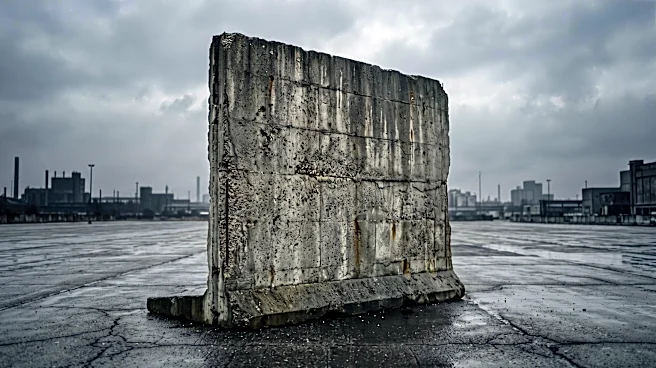




The Berlin Wall, a formidable barrier that once bisected the city of Berlin, stood as the most potent symbol of the Iron Curtain and the broader division between East and West Germany during the Cold War. Its sudden opening on November 9, 1989, was not just a local event but a global phenomenon, signaling a profound shift in international relations. This moment, deeply embedded in the Revolutions of 1989, became synonymous with the collapse of communism
across Eastern Europe and the eventual reunification of Germany.
The Iron Curtain's Physical Manifestation
For nearly three decades, the Berlin Wall served as a stark, physical representation of the ideological divide that characterized the Cold War. It was a concrete and barbed-wire embodiment of the Iron Curtain, preventing movement between East and West Berlin and, by extension, between the communist and capitalist blocs. This barrier was more than just a border; it was a symbol of oppression and the severe restrictions on freedom imposed by the East German regime. Its very existence highlighted the deep political and economic chasm that separated the two German states.
The wall's construction was a desperate attempt to halt the mass exodus of East Germans seeking better lives in the West. This act of division created immense human suffering, separating families and friends and turning a vibrant city into a fractured landscape. The wall's imposing presence and the constant vigilance of border guards underscored the high stakes of the Cold War and the lengths to which authorities would go to maintain control.
The Catalyst for Change in Eastern Europe
The fall of the Berlin Wall was not an isolated incident but a crucial part of a larger wave of change known as the Revolutions of 1989. This series of events saw widespread protests and reforms across Eastern Europe, ultimately leading to the dismantling of communist regimes. The opening of the Berlin Wall provided immense momentum to these movements, demonstrating that even the most entrenched symbols of communist control could be overcome.
The jubilant scenes of people crossing the border freely, often for the first time in their lives, sent a powerful message of hope and liberation. This event directly contributed to the broader collapse of communism in the region, as other nations followed suit in asserting their independence and pursuing democratic reforms. The full demolition of the wall, which began in June 1990 and concluded in 1994, physically erased the last vestiges of this division, paving the way for a unified Germany and a new era in European history.