



The 1950–51 NBA season for the Fort Wayne Pistons is perhaps best remembered not for their playoff run or individual player statistics, but for a single, highly unusual game. On November 22, 1950, the Pistons faced the Minneapolis Lakers in a contest that would etch itself into the annals of basketball history for its remarkably low score. This game, which saw the Pistons emerge victorious with a final score of 19–18, became a pivotal moment that highlighted
a strategic flaw in the early NBA and ultimately contributed to a significant rule change designed to make the game more dynamic and appealing to spectators.
A Strategy Born of Necessity
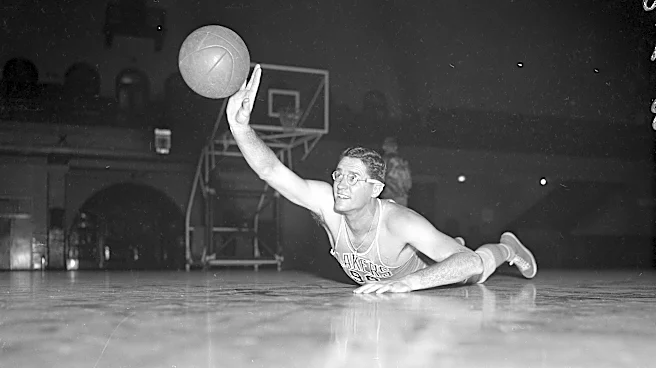
The Pistons' approach to the November 22, 1950, game against the Minneapolis Lakers was a direct response to the dominant presence of Lakers' star center, George Mikan. Mikan was a formidable force in the paint, and teams often struggled to contain his scoring prowess. To counteract Mikan's expected dominance, the Fort Wayne Pistons devised a strategy centered on ball control and limiting possessions. Their plan was to hold onto the ball for the vast majority of the match, thereby preventing the Lakers from getting opportunities to score and, more specifically, keeping the ball out of Mikan's hands.
This tactic proved to be incredibly effective in achieving its primary goal: neutralizing the opposing team's star player. However, the success of this defensive strategy came at a significant cost to the game's entertainment value. By deliberately slowing down the pace to an extreme degree, the Pistons created a contest that was far from the fast-paced, high-scoring spectacle that basketball would eventually become. The game became a testament to strategic patience, or perhaps, strategic stagnation, depending on one's perspective.
The Lowest Scoring Game in NBA History
The outcome of the Pistons' strategy was a game unlike any other in NBA history. The final score of 19–18 in favor of the Fort Wayne Pistons set a record for the lowest-scoring match ever played in the league. This score not only broke the existing record for the lowest scoring effort in a BAA/NBA match, previously held by the Detroit Falcons, but it also stood as a stark anomaly in professional basketball. The game featured minimal offensive action, few shot attempts, and extended periods where one team simply maintained possession without attempting to score.
This historic low-scoring affair was a direct consequence of the Pistons' deliberate slowdown tactics. While it secured them a victory against a formidable opponent, it also raised questions about the nature of the game itself. The lack of scoring and continuous play made for a tedious viewing experience, leading many spectators to question their interest in basketball if such games were representative of the sport. The game became a symbol of how strategic exploitation of the rules could inadvertently diminish the sport's appeal.
Catalyst for Change: The Shot Clock
The infamous 19–18 game had a profound and lasting impact on the National Basketball Association. The widespread negative reaction from fans and media alike served as a significant catalyst for change within the league. Spectators who witnessed the game, or heard about its outcome, expressed concerns that if such a slow, low-scoring style of play became common, it would severely undermine the sport's entertainment value and its ability to attract and retain an audience. The game was seen as an extreme example of how teams could exploit the rules to their advantage, even if it meant sacrificing the excitement of the game.
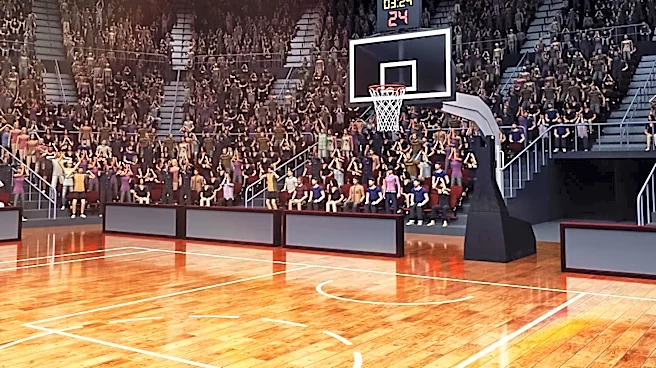
In response to this and similar concerns about the pace of play, the NBA eventually implemented the shot clock a few seasons later. The introduction of the shot clock mandated that teams attempt a shot within a specified time limit, typically 24 seconds. This rule change was directly aimed at preventing teams from holding onto the ball indefinitely, thereby ensuring a more dynamic, offensive-minded game. The 19–18 game played by the Fort Wayne Pistons against the Minneapolis Lakers thus holds a unique place in NBA history, not just as a record-breaker, but as a crucial event that helped shape the modern rules of professional basketball, ensuring that future games would never again reach such extreme low-scoring levels.