
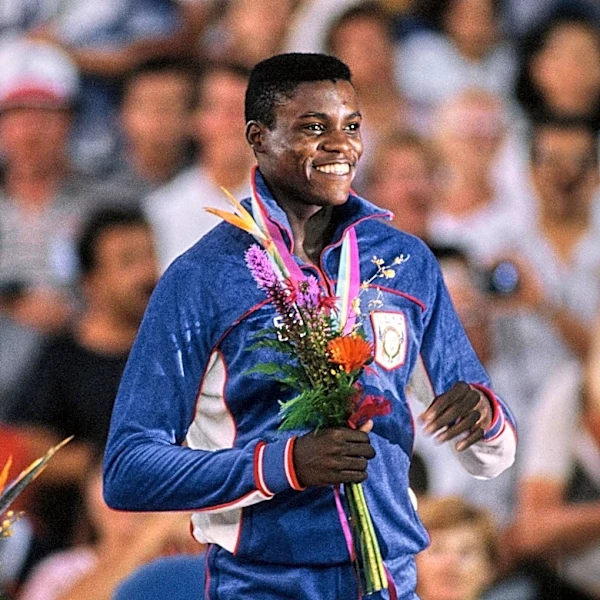






The 1968 Summer Olympics, held in Mexico City, Mexico, marked a significant moment in the history of the Olympic Games. Taking place from October 12 to October 27, these games were notable for being the first ever to be hosted in Latin America. This decision brought the global sporting event to a new continent, reflecting an expanding reach and a more diverse set of host nations. The event drew a substantial international presence, with thousands
of athletes converging on the Mexican capital for two weeks of intense competition.
Global Participation and Athletic Scope
The Mexico City Games were a truly international affair, attracting a remarkable number of participants from across the globe. A total of 5,516 athletes represented 112 different nations, showcasing the widespread appeal and importance of the Olympic movement. These athletes competed in a vast array of events, demonstrating the breadth of sports included in the Summer Olympics program. The sheer scale of participation underscored the Olympics' role as a unifying force, bringing together diverse cultures and peoples through athletic endeavor.
Across 18 sports, athletes vied for medals in 172 events. These sports were further broken down into 24 distinct disciplines, offering a comprehensive program that catered to a wide range of athletic talents and interests. From track and field to swimming, gymnastics, and more, the games provided a platform for elite athletes to test their skills against the best in the world. The organization required to host such a large and complex event was immense, highlighting Mexico City's capability to manage a global spectacle.
Focus on Athletics: Track and Field Highlights
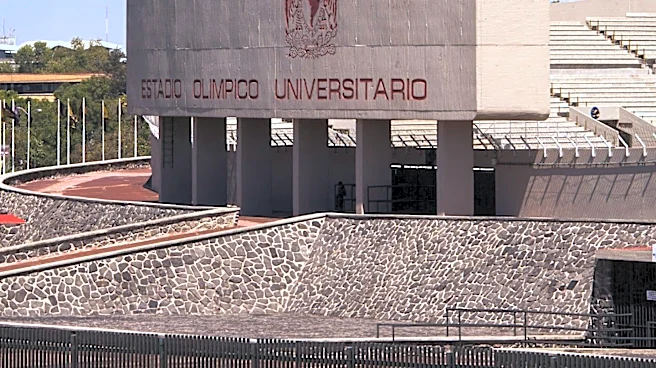
Within the broader scope of the 1968 Summer Olympics, the athletics events held a prominent place. These competitions, often considered the heart of the Olympic Games, took place from October 13 to October 20. The Estadio Olímpico Universitario served as the primary venue for these track and field spectacles, providing a grand stage for athletes to perform.
During this eight-day period, 36 athletics events were contested. These events attracted 1,031 athletes, who came from 93 different countries. The high number of participating nations in athletics alone speaks to the global significance of track and field as a core Olympic sport. The Estadio Olímpico Universitario, with its capacity and design, was well-suited to host the various running, jumping, and throwing events, allowing spectators to witness world-class performances. The concentration of so many athletes and nations in a single discipline underscored the competitive spirit and international camaraderie that defines the Olympic Games.