






The crinoline, a structured petticoat designed to hold out skirts, has undergone significant transformations since its inception in the mid-19th century. Originally crafted from horsehair and cotton, the crinoline has evolved through various materials and designs, reflecting changes in fashion and technology. This article delves into the historical journey of the crinoline, highlighting its origins, adaptations, and modern uses.
Origins and Early Development
The term 'crinoline'
is derived from the Latin word 'crinis' meaning hair, and the French word 'crin' for horsehair, combined with 'linum' for thread or flax. This etymology reflects the original materials used in its construction. Initially, crinolines were made from a stiff fabric of horsehair and cotton or linen, serving as underskirts and dress linings. By 1829, this fabric was noted for its durability and was available in various colors, including grey and unbleached cambric.
In the 1840s, crinoline fabric began to be used for petticoats, gaining popularity for its ability to support the voluminous skirts of the era. By 1847, English women favored separate crinoline fabric petticoats, although these began to collapse under the increasing weight of skirts. Alternatives like quilted petticoats stuffed with down or feathers were also used, but it wasn't until the 1850s that the artificial crinoline with hoops emerged, revolutionizing skirt support.
The Rise of the Cage Crinoline
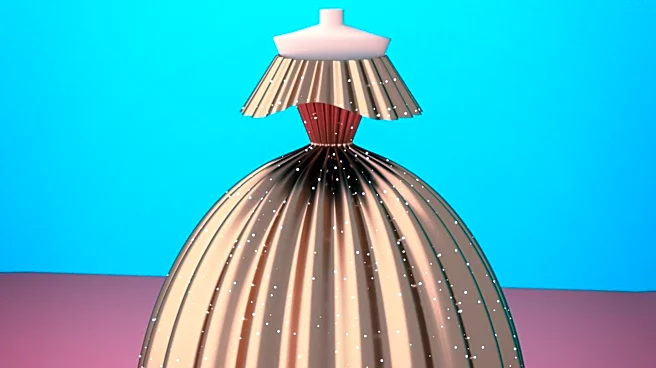
The mid-19th century saw the introduction of the cage crinoline, a significant innovation in fashion. This design featured hoops made of whalebone or steel, connected by fabric tapes, creating a lightweight yet sturdy structure. The cage crinoline allowed for greater freedom of movement and reduced the number of petticoats needed to achieve the desired silhouette.
This period marked the height of the crinoline's popularity, with its size and shape evolving to accommodate changing fashion trends. The crinoline became a symbol of the era, with its bell-shaped silhouette dominating women's fashion. However, it also faced criticism and was the subject of satire, as its exaggerated form sometimes led to practical challenges and safety hazards.
Modern Adaptations and Uses
In the 21st century, the term 'crinoline' has expanded to include nylon stiffening tape used for interfacing and lining hemlines. This modern adaptation, known as crin tape, is typically transparent but also available in black, white, and cream. It serves a similar purpose to the original crinoline, providing structure and volume to garments without the bulk of traditional petticoats.
Today, crinolines are often associated with bridal and formal wear, where they continue to create dramatic silhouettes. The evolution of the crinoline from horsehair to nylon reflects broader changes in fashion and technology, illustrating how historical garments can adapt to contemporary needs while retaining their iconic status.