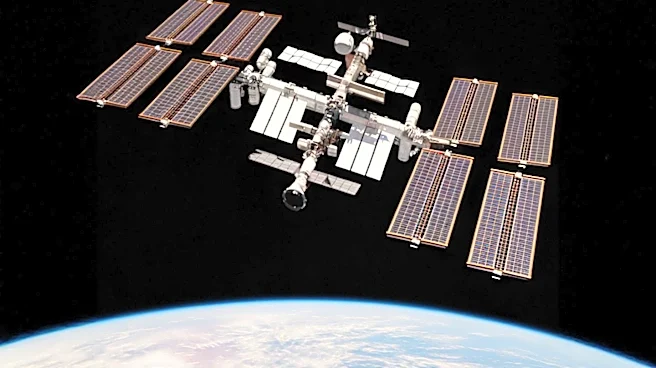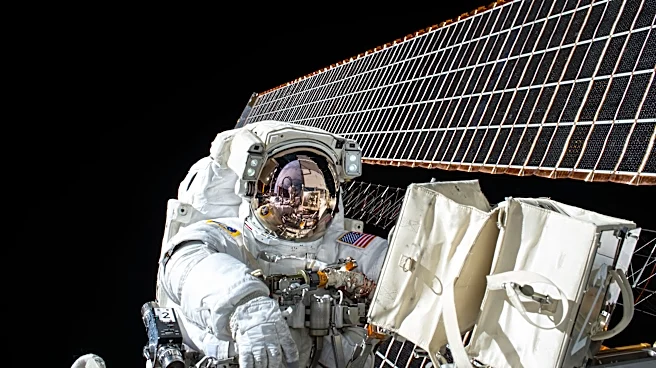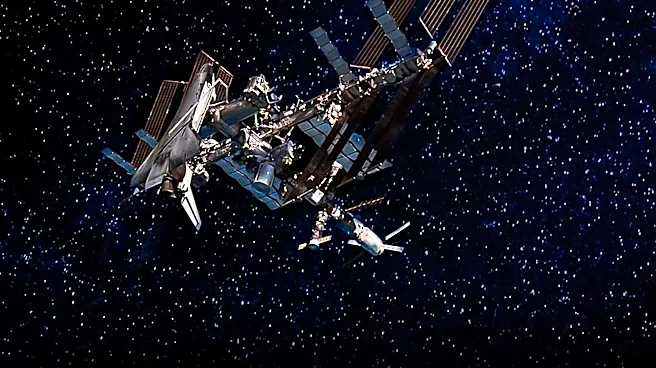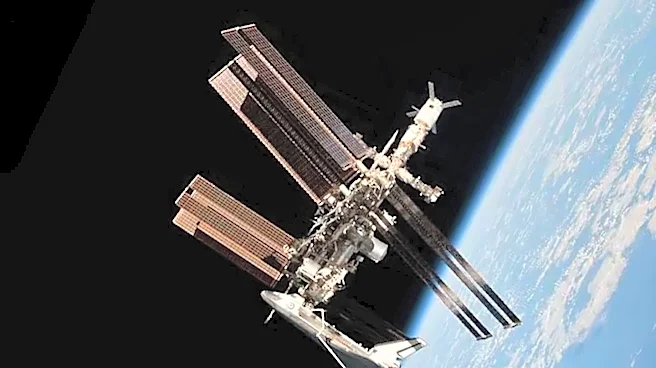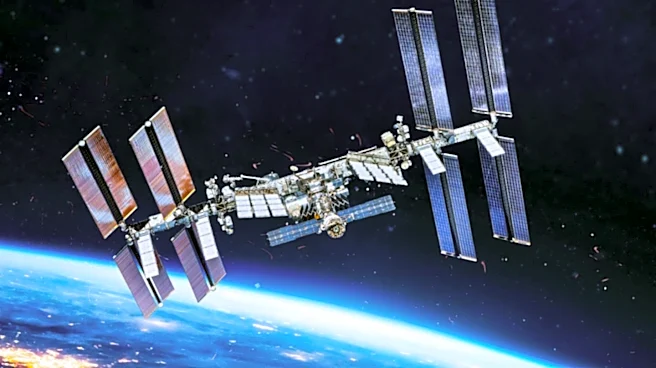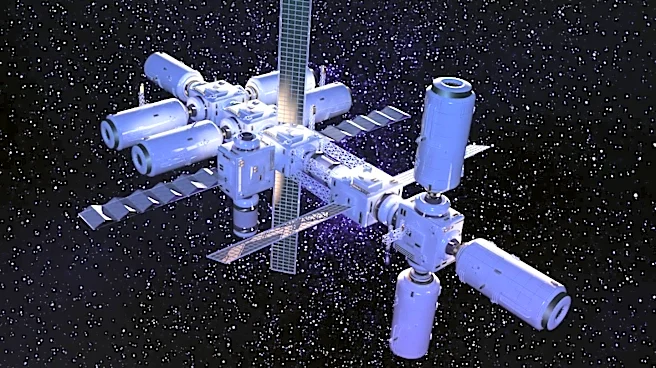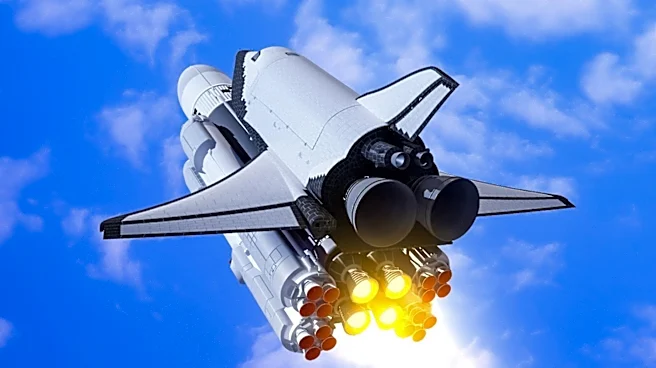






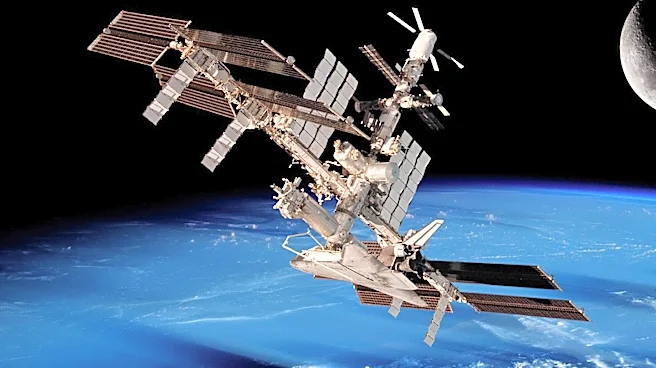

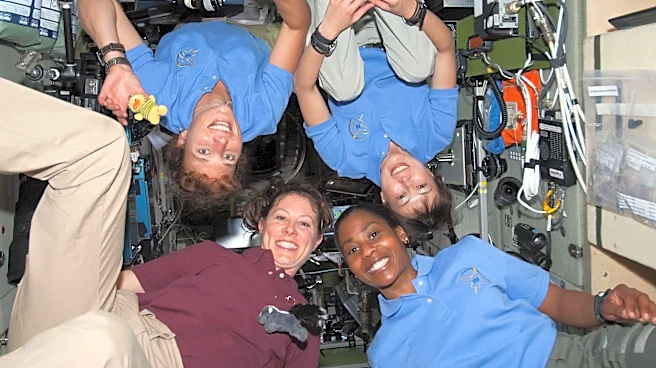


The Space Shuttle Atlantis embarked on its final mission, STS-135, marking the end of an era in space exploration. Launched on July 8, 2011, and landing on July 21, 2011, this mission was the 135th and last of the American Space Shuttle program. The mission's primary goal was to deliver supplies to the International Space Station (ISS), but it also symbolized the conclusion of a significant chapter in NASA's history.
Mission Overview
STS-135 was initially not planned
as a definite mission. It was originally processed as STS-335, a contingency mission that would only fly if needed. However, due to potential delays in the development of commercial rockets and spacecraft, NASA decided to proceed with STS-135 to ensure the ISS was well-supplied. The mission used the orbiter Atlantis, which had been prepared for this contingency role. The crew consisted of only four astronauts, the smallest since STS-6 in 1983, due to the lack of a backup shuttle for rescue.
The mission's primary cargo included the Multi-Purpose Logistics Module (MPLM) Raffaello and a Lightweight Multi-Purpose Carrier (LMC). These were crucial for delivering supplies and equipment to the ISS, ensuring its continued operation until commercial resupply missions could take over. The MPLM Raffaello was filled with 16 resupply racks, the maximum it could handle, and was berthed to the Harmony node of the ISS during the mission.
Challenges and Achievements
One of the unique challenges of STS-135 was the reduced crew size. With only four astronauts, the mission had to be meticulously planned to maximize efficiency and safety. In the event of a serious issue in orbit, the crew would have had to rely on Russian Soyuz capsules for a return to Earth, a process that could take up to a year. This required all crew members to be custom-fitted for Russian space suits and seat liners.
Despite these challenges, the mission was a success. The crew managed to complete all planned tasks, including the installation of the MPLM and the transfer of supplies to the ISS. The mission also included the deployment of a miniaturized satellite, PSSC-2, marking the 180th and final payload deployed by a Space Shuttle.
Legacy of STS-135
The successful completion of STS-135 marked the end of the Space Shuttle program, a pivotal part of NASA's history. Over its 30-year span, the program achieved numerous milestones, including the construction of the ISS and the deployment of the Hubble Space Telescope. The end of the program paved the way for new developments in space exploration, including the Commercial Crew Program and the Artemis program. STS-135, as the final mission, symbolized both an end and a new beginning for NASA and space exploration.