




Mesa Verde National Park, located in Montezuma County, Colorado, is a site of immense historical importance. Established in 1906, it was created to protect some of the best-preserved cliff dwellings in the world, built by the Ancestral Puebloans. This park is not only a U.S. National Park but also a UNESCO World Heritage Site, recognized for its cultural significance and the insight it provides into the lives of the Ancestral Puebloans.
The Creation of the Park
Mesa Verde
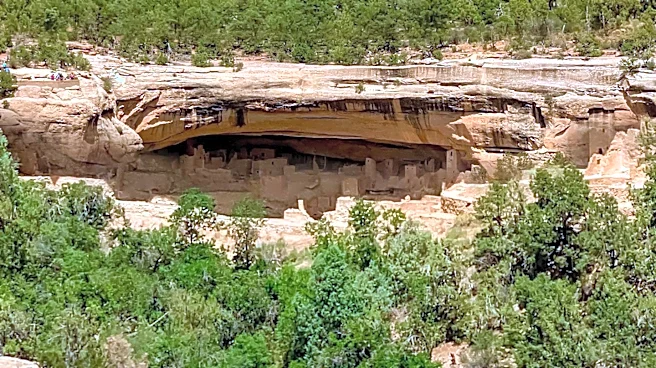
National Park was established on June 29, 1906, with the primary goal of preserving the cliff dwellings of the Ancestral Puebloans. These structures, built within caves and under outcroppings in cliffs, are some of the most well-preserved examples of this type of architecture in the world. The park covers an area of 81.4 square miles (211 square kilometers) and is located near the Four Corners region of the southwestern United States.
The park's establishment was a significant step in the preservation of cultural heritage in the United States. It was one of the first national parks created to protect a cultural site rather than a natural one. This set a precedent for the protection of other archaeological sites across the country.
The Ancestral Puebloans
The Ancestral Puebloans, sometimes referred to as the Anasazi, were the original inhabitants of the Mesa Verde region. They began settling in the area over 600 years before the famous cliff dwellings were constructed. Initially, they lived in pithouses on mesa tops and later developed stone villages. By the late 12th century, they began building the cliff dwellings that Mesa Verde is famous for today.
These dwellings, including the renowned Cliff Palace, are thought to be the largest cliff dwelling in North America. The Ancestral Puebloans were skilled builders and adapted their architecture to the challenging landscape, creating homes that were both functional and protective.
Cultural and Archaeological Importance
Mesa Verde National Park is home to over 4,700 archaeological sites, with approximately 600 of these being cliff dwellings. The park provides a unique glimpse into the lives of the Ancestral Puebloans, showcasing their architectural ingenuity and adaptation to the environment.
The park's designation as a UNESCO World Heritage Site highlights its global cultural significance. It serves as a testament to the rich history and cultural achievements of the Ancestral Puebloans, offering valuable insights into their society, economy, and way of life. The preservation of these sites allows for ongoing research and education, ensuring that the legacy of the Ancestral Puebloans continues to be appreciated and understood by future generations.