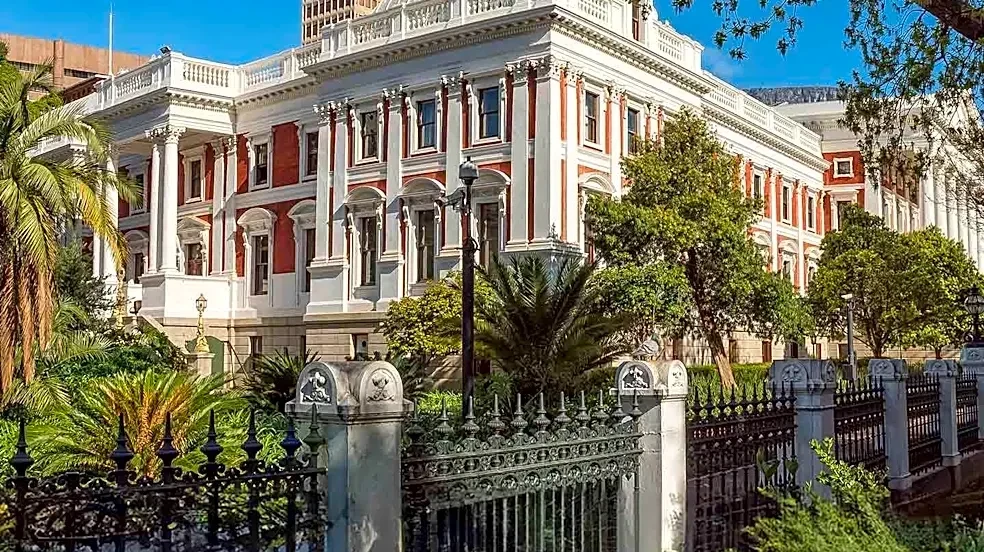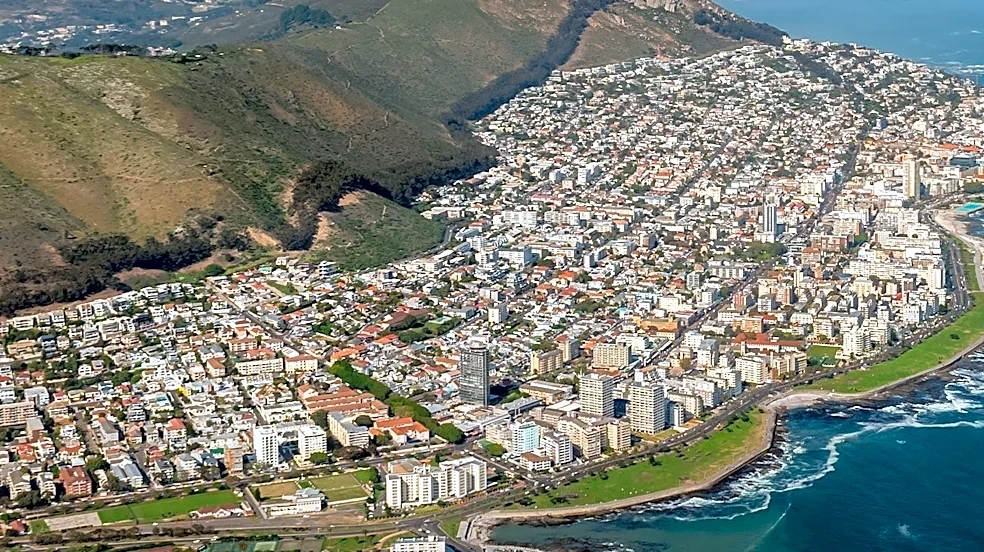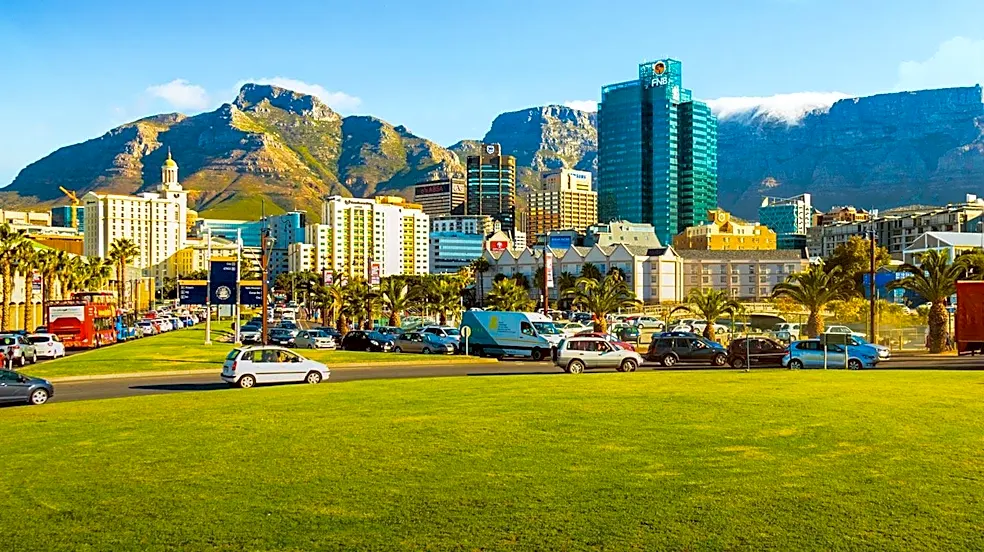







Cape Town, South Africa's legislative capital and second-largest city, boasts a rich and complex history that has shaped its identity from a strategic colonial settlement to a vibrant modern metropolis. Its journey spans centuries, marked by significant political shifts, economic transformations, and profound social changes, particularly during and after the apartheid era. Understanding Cape Town's past reveals the layers of influence that have contributed
to its unique character and ongoing development.
Early Settlement and Colonial Expansion
The earliest known human occupation in the Cape Town region dates back to the mid-Holocene, with remnants found at Peers Cave. By the late 16th century, European ships, primarily Portuguese, regularly stopped in Table Bay, trading with the local Khoikhoi clans for fresh meat and provisions. A notable early conflict occurred in 1510 at the Battle of Salt River, where Portuguese admiral Francisco de Almeida and his men were defeated by the Goringhaiqua, who utilized specially trained cattle.
Dutch influence began with the establishment of a settlement under Van Riebeeck, who introduced a wide range of agricultural plants, including grapes, cereals, potatoes, and citrus, which had a lasting impact on the region's economy. However, a labor shortage led to the importation of enslaved people from Indonesia and Madagascar, whose descendants form part of the modern-day Cape Coloured and Cape Malay communities. Britain captured Cape Town in 1795, returning it to the Dutch briefly in 1803, before permanently ceding it to the United Kingdom in 1814 following the Napoleonic Wars.
Growth, Industrialization, and Political Shifts
Under British rule, Cape Town became the capital of the Cape Colony, which expanded significantly through the 1800s. A major social change occurred in 1833 with the abolition of slavery, freeing over 5,500 enslaved people, nearly a third of the city's population. The mid-19th century saw calls for greater independence, leading to the establishment of its own parliament in 1854 and a locally accountable prime minister by 1872. The non-racial Cape Qualified Franchise was also established during this period.
The discovery of diamonds in Griqualand West in 1867 and the Witwatersrand Gold Rush in 1886 spurred a flood of immigration into South Africa, contributing to Cape Town's population more than doubling between 1891 and 1901. The city also saw the construction of its first railway line in 1859 and the opening of its first public power station in 1895. However, by the end of the 19th century, Cape Town's economic and political dominance in the region began to shift towards Johannesburg and Pretoria.
Apartheid's Impact and Post-Apartheid Transformation
In 1910, Cape Town became the legislative capital of the newly formed Union of South Africa, a role it maintained after the establishment of the Republic of South Africa. The apartheid era brought profound segregation, with the 1950 Group Areas Act classifying and segregating urban areas by race. This led to the forced removal of over 60,000 residents from District Six, a formerly multi-racial suburb, and their relocation to areas like the Cape Flats. The Cape was also designated a "Coloured labor preference area," excluding Black Africans, a policy widely opposed by various groups.
The city was a significant center for the anti-apartheid movement. Robben Island, located 10 km from the city in Table Bay, served as a maximum-security prison for political prisoners, including Nelson Mandela, who spent 18 of his 27 years of imprisonment there. A pivotal moment marking the end of apartheid occurred on February 11, 1990, when Nelson Mandela made his first public speech after his release from the balcony of Cape Town City Hall, heralding a new era for the country. The first democratic election followed four years later in 1994.
In the post-apartheid era, Cape Town has experienced significant economic growth and development, attracting international investment and tourism. The Democratic Alliance, which came to power in 2006, has been credited with improving bureaucratic efficiency, public safety, and fostering economic development. The establishment of the Cape Town CCID has revitalized the city center, transforming public spaces and attracting businesses and tourists. Despite these advancements, rapid urbanization and the legacy of apartheid's spatial planning continue to contribute to disparities between affluent areas and impoverished townships, with many Black South Africans still living in informal settlements with limited access to basic services.
Environmental Challenges and Sustainable Futures
Cape Town has also faced significant environmental challenges, including a severe water shortage from 2015 to 2018. The city successfully reduced its water use by more than half during this period, demonstrating a capacity for adaptive management. Looking forward, the city is implementing a New Water Program and Water Strategy, aiming to add 300 million liters of water per day through desalination, groundwater tapping, and clearing invasive species. A planned desalination plant is expected to produce 50 to 70 million liters of water daily by 2030. These initiatives highlight Cape Town's commitment to addressing critical resource challenges and building a more sustainable future for its growing population.