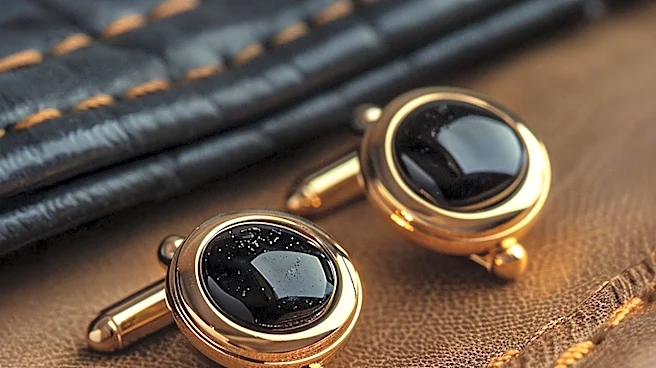









Cufflinks have a rich history that dates back several centuries, evolving from simple fasteners to intricate pieces of jewelry. Originally designed to secure the cuffs of dress shirts, cufflinks have transformed into a symbol of style and sophistication. This article delves into the historical journey of cufflinks, highlighting their transition from functional items to fashionable accessories.
The Origins of Cufflinks
Cufflinks first appeared in the 1600s, but they did not
become widely used until the late 18th century. Their development is closely tied to the evolution of men's shirts, which have been worn since the invention of woven fabric. Initially, shirts were simple tunics with sleeves and collars, worn directly next to the skin to protect outer garments from contact with the body. As fashion evolved, the visible areas of shirts, including cuffs, became sites for decorative elements like frills and embroidery.
During the Middle Ages, cuffs were held together with ribbons, serving as an early precursor to neckties. By the end of the 18th century, frills that hung over the wrist were common in formal settings, while everyday shirts featured sleeves secured with buttons or connected pairs of buttons. The industrial revolution allowed cufflinks to be mass-produced, making them accessible to a broader audience.
Cufflinks in the 19th Century
The 19th century marked a significant shift in men's fashion, with the aristocracy's splendor giving way to the bourgeois efficiency of the newly employed classes. Men began wearing highly conventional wardrobes, including dark suits by day and dinner jackets or tailcoats in the evening. Modern cufflinks gained popularity during this time, as the shirt front, collar, and cuffs were made sturdier to underscore the formal character of clothing.
Cufflinks became essential for securing cuffs, which were often too stiff for simple buttons. As a result, cufflinks became a staple in the wardrobes of middle and upper-class men. Colored cufflinks made from gemstones and diamonds were initially worn by confident men, but this changed when the Prince of Wales popularized colorful Fabergé cufflinks.
The 20th Century and Beyond
The early 1900s saw cufflinks become fashion accessories and one of the few acceptable items of jewelry for men in Britain and the U.S. Intricate enameled cufflinks in geometric patterns were especially popular, thanks to Coco Chanel's influence in making fashion jewelry acceptable. However, a sportier style of shirt emerged with unstarched cuffs secured by simple buttons.
Despite fluctuations in fashion trends, cufflinks have remained a symbol of elegance and style. Today, they are worn with a variety of attire, from tuxedos to casual wear, reflecting their enduring appeal as both functional and decorative items. As fashion continues to evolve, cufflinks remain a testament to the blend of practicality and artistry in men's accessories.