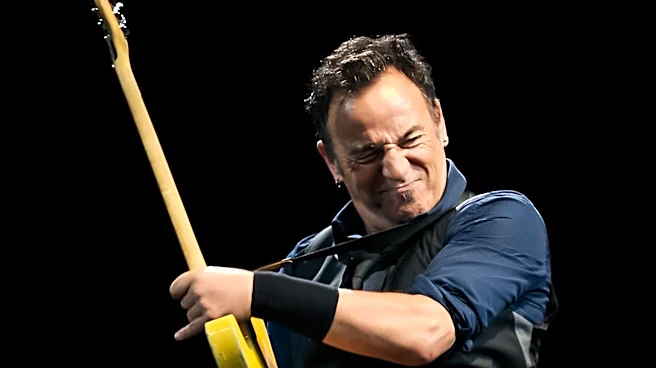







Bruce Springsteen's 1982 album *Nebraska* is renowned for its stark, minimalist sound, recorded entirely by Springsteen alone on a four-track recorder. However, the creative output from these sessions extended far beyond the ten tracks that ultimately comprised the album. The initial recording tape contained a total of 17 songs, meaning a significant portion of this material was held back from the final *Nebraska* release. These unreleased tracks,
born from the same period of intense, solitary songwriting, would eventually find their way to the public through different avenues, most notably on the blockbuster album *Born in the U.S.A.* and as B-sides, offering a broader perspective on Springsteen's creative flow during this pivotal time.
The Genesis of a Prolific Period
In September 1981, after the extensive *The River Tour* and grappling with the complexities of his newfound commercial success, Bruce Springsteen retreated to a rented ranch in Colts Neck, New Jersey. It was in this private setting that he began to record new material, not in a professional studio with his E Street Band, but alone in his bedroom with a simple four-track recorder. This period proved to be exceptionally fertile, yielding 17 distinct songs. These recordings were initially conceived as demos, with the expectation that they would later be re-recorded with the full band.Springsteen's decision to release *Nebraska* with only 10 of these original solo recordings was a deliberate artistic choice, made after he deemed the full-band renditions of the material unsatisfactory. This left seven songs from the same creative burst unreleased on *Nebraska*, creating a fascinating narrative for fans and music historians alike regarding the fate of these "lost" tracks.
From Bedroom Demos to Stadium Anthems
The story of the songs not included on *Nebraska* is a testament to the enduring quality and versatility of Springsteen's songwriting. Several of these tracks were later re-recorded with the E Street Band and featured prominently on his follow-up album, *Born in the U.S.A.*, released in 1984. This album became one of the best-selling records of all time, showcasing a much more polished, anthemic sound compared to the raw intimacy of *Nebraska*.The transformation of these songs from their initial sparse, acoustic forms to full-band rock arrangements highlights the different artistic directions Springsteen could take with his material. The fact that songs originating from the same deeply personal, solitary sessions could contribute to two such sonically disparate, yet critically acclaimed, albums underscores the depth of his creative vision during this era. These tracks, initially part of the *Nebraska* tape, became integral components of a completely different musical statement, reaching a massive global audience.
B-Sides and the Full Picture
Beyond their inclusion on *Born in the U.S.A.*, other songs from the original 17-track *Nebraska* tape also found their way to the public as B-sides. These releases, often accompanying singles from his later albums, provided fans with additional insights into the breadth of material Springsteen was working on during the early 1980s. B-sides have historically served as a valuable outlet for artists to share tracks that might not fit the thematic or sonic cohesion of a main album, or simply to offer extra content to dedicated listeners.The eventual release of these additional songs, whether on a major album like *Born in the U.S.A.* or as B-sides, completed the picture of Springsteen's prolific and introspective period following *The River*. It demonstrated that the *Nebraska* sessions were not just about creating a singular, stark artistic statement, but were a wellspring of material that would continue to shape his career for years to come, revealing the hidden gems that lay beyond the album's initial tracklist.