









In early modern Europe, the chapbook was not just a literary form; it was a thriving business model that brought printed material to the masses. This system, which flourished from the 16th to the 18th centuries, relied on a symbiotic relationship between printers and itinerant salesmen known as chapmen. Together, they created an efficient network for producing and distributing affordable literature, playing a crucial role in the spread of popular
culture and, indirectly, in fostering literacy among a broad segment of the population.
The economic structure of chapbook production was designed for maximum reach and minimal upfront cost for the sellers. Printers would extend credit to chapmen, allowing them to acquire stock without immediate payment. This arrangement empowered a vast network of peddlers to carry these small booklets across the countryside, into towns, and through markets, making printed material accessible in ways previously unimaginable.
The Printer's Role: Mass Production and Market Responsiveness
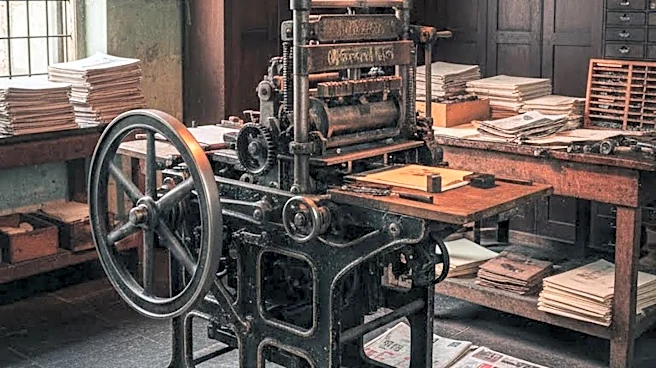
Printers were at the heart of the chapbook industry, responsible for the cheap and rapid production of these booklets. They typically printed on a single sheet of paper, which was then folded into 8, 12, 16, or 24 pages, sometimes bound with a simple saddle stitch. The use of rough paper and crude, often recycled, woodcut illustrations kept production costs low, making the final product highly affordable for the general public.
These printers were also adept at tailoring their texts to the popular market. They produced a wide variety of content, including almanacs, children's literature, folklore, and ballads, ensuring there was always something in demand. The feedback loop from chapmen, who would pay printers for the stock they sold, likely informed printers about which titles were most popular, allowing them to adjust their output to meet consumer preferences. London was a major center for chapbook production, particularly around London Bridge before the Great Fire of 1666, but provincial printers, especially in Scotland and Newcastle upon Tyne, also played a significant role in this decentralized industry.
The Chapmen: The Mobile Sales Force of Early Modern Europe
Chapmen were the indispensable link between the printers and the consumers. These itinerant salesmen traveled extensively, selling chapbooks door to door and at bustling markets and fairs. Their mobility and direct interaction with customers were key to the widespread distribution of these booklets, particularly to buyers who did not frequent established bookstores or maintain personal libraries.
The sheer number of chapmen underscores their importance. After 1696, English chapbook peddlers were required to be licensed, and records show that 2,500 were authorized, with 500 operating in London alone. In France, by 1848, there were 3,500 licensed colporteurs selling an astonishing 40 million books annually. This vast network of sellers ensured that millions of chapbooks were sold each year, making them a ubiquitous form of literature. The chapmen's ability to reach diverse audiences, from rural communities to urban centers, was fundamental to the success and cultural impact of the chapbook phenomenon.