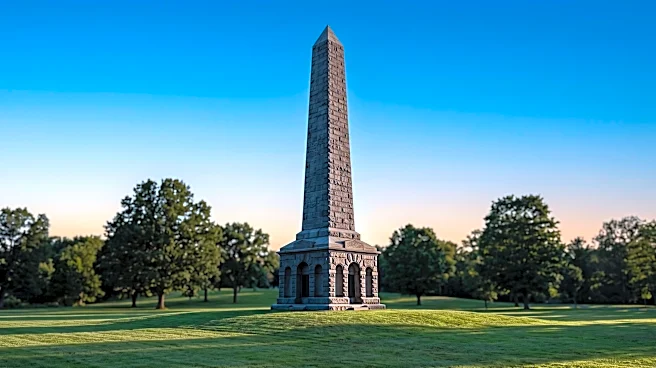








The Battles of Saratoga, fought on September 19 and October 7, 1777, near Saratoga, New York, represent a crucial turning point in the American Revolutionary War. These engagements, which culminated in the surrender of British General John Burgoyne's army, not only secured a decisive American victory but also had profound international implications, particularly in encouraging French support for the American cause. The campaign demonstrated the strategic
prowess of the American Continental Army and the challenges faced by the British in their efforts to suppress the rebellion.
Burgoyne's Campaign and Initial Setbacks
General John Burgoyne's ambitious plan was to divide the American colonies by moving his forces south from Canada, aiming to link up with other British armies. However, this strategy began to unravel even before the main battles at Saratoga. General William Howe, who was supposed to move his forces north from New York City, never did so. Additionally, Brigadier General Barry St. Leger's forces, intended to advance from the west, were turned back. This left Burgoyne's army isolated and vulnerable in upstate New York, approximately 15 miles short of his objective.
On September 19, Burgoyne initiated the first major engagement, the Battle of Freeman's Farm, by attempting to flank the entrenched American position on Bemis Heights. Although the British achieved a tactical victory in this battle, they suffered heavy casualties. This costly success significantly weakened Burgoyne's forces and set a grim precedent for the remainder of his campaign, highlighting the fierce resistance they would continue to face from the American Continental Army, led by Generals Horatio Gates and Benedict Arnold.
The Decisive Second Battle and American Triumph
Following the Battle of Freeman's Farm, Burgoyne's army was in a precarious position, running low on men and supplies. He hoped for assistance from General Henry Clinton, but Clinton's aid was too slow to materialize. Meanwhile, the American forces grew stronger, with an influx of militiamen and critical ammunition. By October 7, when Burgoyne launched his second attack, the Battle of Bemis Heights, the American army numbered over 12,000 men.
This second battle proved disastrous for the British. Burgoyne's forces were not only defeated but also lost the gains they had made in the first battle. The Americans captured a portion of the entrenched British defenses, forcing Burgoyne's army to retreat to the positions they had held before the September 19 action. The American victory at Bemis Heights was decisive, effectively trapping Burgoyne's army and making their situation untenable.
Surrender and Lasting Impact
After the defeat at Bemis Heights, Burgoyne's army was severely depleted, having lost over 1,000 men in the two battles, compared to about 330 American casualties. Burgoyne withdrew his men north, near present-day Schuylerville, New York, but found his army surrounded. On October 13, he held a council of war to propose terms of surrender. After several days of negotiations, the capitulation was signed, and on October 17, Burgoyne surrendered his army to General Gates.
The surrender of Burgoyne's army was a monumental victory for the Americans. It not only boosted American morale but, more importantly, convinced France to formally enter the war as an ally of the United States. The de Vallière cannon, a secret shipment of French artillery that arrived in April 1777, played a crucial role in strengthening the Continental Army's field artillery and was effectively used to help force the British surrender. This alliance provided the Americans with much-needed military and financial support, fundamentally altering the course of the Revolutionary War and ultimately contributing to American independence.