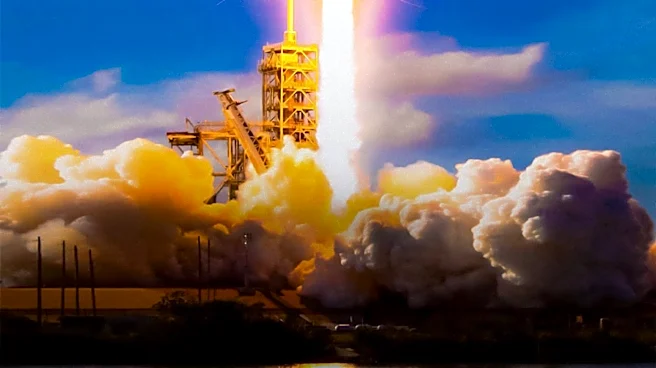




Ranger 7 marked a pivotal moment in the history of space exploration. Launched on July 28, 1964, it was the first NASA probe to successfully transmit close-up images of the Moon's surface back to Earth. This mission was a significant achievement for NASA, especially after a series of previous failures in the Ranger program. The success of Ranger 7 not only provided valuable data but also restored confidence in NASA's ability to conduct successful lunar
missions.
The Challenges of the Ranger Program
Before Ranger 7, the Ranger program faced numerous setbacks. The program was designed to send probes to the Moon to capture images and gather data. However, the first six missions were plagued by failures, leading to criticism and skepticism about the program's viability. The failures were attributed to various issues, including technical malfunctions and inadequate prelaunch testing. These challenges prompted a thorough review and restructuring of the program, which ultimately paved the way for the success of Ranger 7.
The failures of the earlier missions highlighted the need for improved management and technical oversight. NASA and the Jet Propulsion Laboratory (JPL) took these lessons to heart, implementing changes that would ensure the success of future missions. This included redesigning the spacecraft to include more reliable systems and conducting more rigorous prelaunch testing.
The Mission of Ranger 7
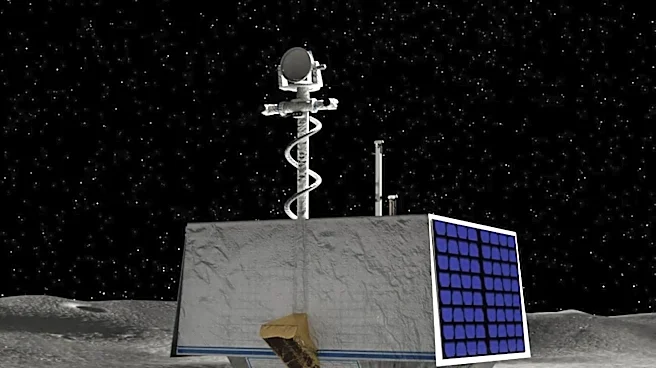
Ranger 7 was designed to achieve a lunar-impact trajectory and transmit high-resolution photographs of the lunar surface during its final minutes of flight. The spacecraft carried six television vidicon cameras, which were arranged in two separate channels to maximize reliability. This design allowed Ranger 7 to transmit over 4,300 photographs during the last 17 minutes of its flight, providing unprecedented close-up images of the Moon.
The mission ended with the spacecraft impacting the lunar surface between Mare Nubium and Oceanus Procellarum, a site later named Mare Cognitum. The success of Ranger 7 was a testament to the improvements made in the program and demonstrated NASA's capability to conduct successful lunar missions.
Impact and Legacy
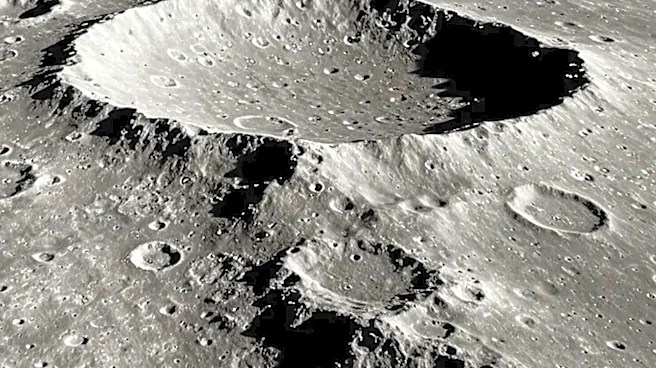
The success of Ranger 7 had a profound impact on the future of lunar exploration. It provided valuable data that helped scientists better understand the Moon's surface, which was crucial for planning future manned missions. The images captured by Ranger 7 revealed that craters caused by impact were the dominant features of the Moon's surface, even in seemingly smooth plains.
Moreover, the success of Ranger 7 restored confidence in NASA's ability to conduct successful space missions. It set the stage for subsequent missions in the Ranger program, which continued to provide valuable data about the Moon. The lessons learned from Ranger 7 also informed the development of future space exploration programs, contributing to the overall advancement of space science and technology.