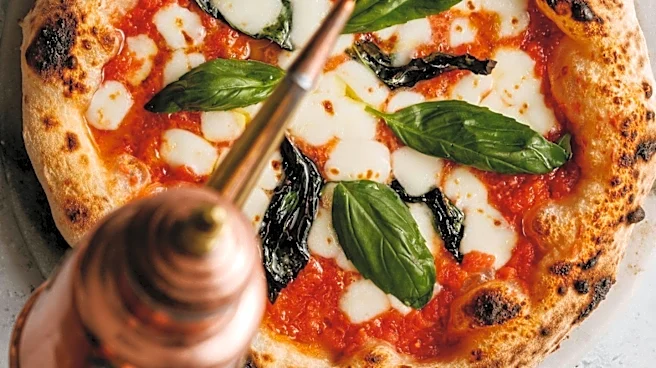









Neapolitan pizza, a culinary icon originating from Naples, Italy, has a rich history that dates back to the late 19th century. Known for its simple yet flavorful ingredients, this pizza style has become a symbol of Italian cuisine worldwide. The story of Neapolitan pizza is not just about food; it's a tale of cultural heritage and tradition that has been recognized by UNESCO as an intangible cultural heritage.
The Birth of a Culinary Icon
Neapolitan pizza's journey began in Naples, a city with a deep-rooted history in culinary arts. The pizza as we know it today was popularized in 1889 when it was named Pizza Margherita in honor of Queen Margherita of Savoy. This version of pizza featured the colors of the Italian flag: red tomatoes, white mozzarella, and green basil. The simplicity of these ingredients, combined with the skillful preparation, made it an instant favorite among locals and visitors alike.The city of Naples itself has a long history,
having been influenced by various cultures over the centuries, including the Greeks, Romans, and Byzantines. Each of these cultures left a mark on the local cuisine, contributing to the development of dishes like Neapolitan pizza. The use of fresh, local ingredients and traditional cooking methods has always been a hallmark of Neapolitan cuisine, and pizza is no exception.
Cultural Significance and Global Recognition
Neapolitan pizza is more than just a dish; it is a cultural symbol that represents the culinary traditions of Naples. In 2017, UNESCO recognized the art of Neapolitan pizza-making as an intangible cultural heritage, highlighting its importance in preserving cultural identity. This recognition has helped to promote and protect the traditional methods of pizza-making, ensuring that the craft is passed down to future generations.The global popularity of Neapolitan pizza has also contributed to its cultural significance. As people around the world enjoy this iconic dish, they are also experiencing a piece of Italian culture. The spread of Neapolitan pizza has led to the establishment of pizzerias worldwide, each striving to replicate the authentic taste and experience of a true Neapolitan pizza.
The Legacy of Neapolitan Pizza
Today, Neapolitan pizza continues to be a beloved dish, celebrated for its simplicity and flavor. The legacy of this pizza is maintained by the dedication of pizzaiolos (pizza makers) who adhere to traditional methods and ingredients. The use of specific types of flour, San Marzano tomatoes, and fresh mozzarella are essential to creating an authentic Neapolitan pizza.The influence of Neapolitan pizza extends beyond Italy, inspiring variations and adaptations in different cultures. However, the core principles of quality ingredients and traditional preparation remain central to its identity. As Neapolitan pizza continues to evolve, it remains a testament to the rich culinary heritage of Naples and a symbol of Italian culture worldwide.