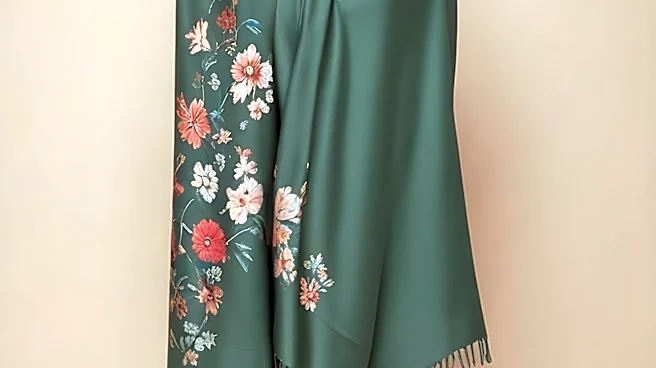





The shawl, a simple yet elegant garment, has a rich history that spans centuries and continents. Originating from the Persian word 'shāl,' shawls have been worn over the shoulders, upper body, and sometimes the head. While they come in various shapes, including rectangular, square, and triangular, the most renowned are the Kashmir shawls. These shawls, made from fine wool, have not only been a symbol of warmth and luxury but have also played a significant
role in global fashion trends.
The Birthplace of the Kashmir Shawl
Kashmir, a region known for its breathtaking landscapes, is also the birthplace of one of the most coveted garments in the world—the Kashmir shawl. These shawls are celebrated for their intricate designs and fine wool, often made from pashmina or shahtoosh. The craftsmanship involved in creating these shawls is unparalleled, with designs that imitate nature, such as the Chinar leaf and various blossoms. The double-sided Dourukha shawl is a testament to the skill of Kashmiri artisans, featuring a design that is equally beautiful on both sides.
The Kashmir shawl gained prominence during the Mughal era, where it was used as a symbol of nobility and rank. Emperors would gift these shawls as a mark of honor, and they became a staple in the wardrobes of the elite. The intricate designs and the luxurious feel of the shawls made them highly sought after, not just in India but across the world.
The Global Journey of the Shawl
The journey of the Kashmir shawl from the Indian subcontinent to the fashion capitals of Europe is a fascinating tale of cultural exchange. In the late 18th century, these shawls made their way to Britain and France, where they were embraced by the elite. Queen Victoria and Empress Joséphine were among the notable figures who popularized the shawl as a symbol of exotic luxury and status.
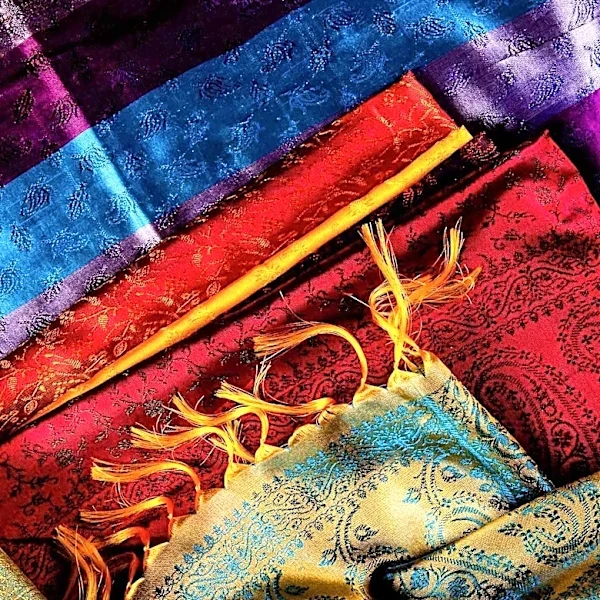
The demand for Kashmir shawls in Europe led to the creation of imitation industries, particularly in Paisley, Scotland. The distinctive paisley motif, inspired by the buta design of the Kashmir shawl, became a fashion staple in Europe and the United States. This motif, originally a symbol of fertility in India, was adapted into various textiles, further cementing the shawl's place in global fashion.
The Shawl in Modern Fashion
Today, the legacy of the Kashmir shawl continues to influence fashion. While the original shawls remain a luxury item, their motifs and designs have been incorporated into a wide range of products. The term 'pashmina' has become synonymous with high-quality cashmere, and shawls made from this material are popular worldwide.
The shawl's journey from a regional garment to a global fashion icon is a testament to its timeless appeal. Whether worn for warmth, style, or as a status symbol, the shawl remains a beloved accessory that transcends cultural and geographical boundaries.